We sacrifice by not doing any other technology, so that you get the best of Magento.

We sacrifice by not doing any other technology, so that you get the best of Magento.

    Why Magento is the Best Choice for Your eCommerce Website?

    The global eCommerce industry is experiencing unprecedented growth, with online sales projected to surpass $8 trillion by 2027. In this highly competitive landscape, choosing the right eCommerce platform is a pivotal decision that can determine your business’s success. A robust platform goes beyond simply launching an online store—it must provide scalability, flexibility, security, and a seamless customer experience to drive growth and loyalty.

    Magento, now part of Adobe Commerce, has established itself as one of the most powerful and versatile eCommerce platforms available. Trusted by startups, small businesses, and Fortune 500 companies alike, Magento empowers merchants to build customized, high-performing online stores that stand out in crowded markets. Its open-source flexibility, enterprise-grade features, and SEO-friendly architecture make it a top choice for businesses aiming to thrive in the digital economy.

    But what sets Magento apart from competitors like Shopify, WooCommerce, and BigCommerce? Why do leading brands across industries choose Magento as the foundation for their eCommerce success? This comprehensive guide explores the key reasons Magento is the best choice for your eCommerce website, diving into its features, benefits, scalability, security, SEO advantages, and use cases for both B2B and B2C businesses.

    What is Magento?

    Magento is an open-source eCommerce platform built on PHP, launched in 2008. It quickly gained popularity for its flexibility, customization capabilities, and developer-friendly ecosystem. In 2018, Adobe acquired Magento, rebranding its enterprise edition as Adobe Commerce while maintaining Magento Open Source as a free, community-driven version. Both editions share the same core framework, allowing businesses to start with a cost-effective solution and scale to enterprise-level functionality without needing to switch platforms.

    • Magento Open Source: A free, highly customizable version supported by a global developer community, ideal for startups and small to medium-sized businesses.
    • Adobe Commerce: A premium, cloud-hosted solution with advanced features like AI-powered personalization, B2B tools, and 24/7 support, designed for large enterprises.

    Magento’s versatility makes it suitable for businesses of all sizes, from boutique retailers to global brands, offering a scalable foundation for eCommerce success.

    Key Features of Magento

    Magento’s robust feature set enables businesses to create tailored, high-performing online stores. Below are the core features that make Magento a standout eCommerce platform:

    1. Scalability and Flexibility

    Magento is engineered to handle businesses at every stage of growth. Whether you’re managing a small catalog of 100 products or an enterprise store with millions of SKUs, Magento delivers seamless performance. Its architecture supports high traffic volumes, making it ideal for businesses experiencing rapid growth or seasonal spikes.

    1. SEO-Friendly Architecture

    Search engine optimization is critical for driving organic traffic. Magento’s built-in SEO tools include:

    • Customizable URLs for products, categories, and pages.
    • Meta descriptions and title tags for improved click-through rates.
    • XML sitemaps for better search engine indexing.
    • Schema markup support for rich snippets in search results.

    These features ensure your store ranks higher on Google, Bing, and other search engines, increasing visibility and conversions.

    1. Multi-Store Management

    Magento allows merchants to manage multiple stores from a single admin dashboard. This is particularly valuable for businesses operating in different regions or targeting diverse customer segments. The platform supports multiple languages, currencies, and tax systems, making it ideal for international expansion.

    1. Mobile Optimization

    With mobile commerce accounting for a growing share of online sales, Magento offers responsive themes that adapt to smartphones, tablets, and desktops. Its mobile-optimized checkout process reduces cart abandonment, while Progressive Web App (PWA) support delivers app-like experiences for mobile users.

    1. Advanced B2B Features (Adobe Commerce)

    Adobe Commerce includes specialized tools for B2B businesses, such as:

    • Corporate accounts with role-based access for multiple buyers.
    • Custom catalogs and pricing for different client groups.
    • Request-for-quote functionality to streamline negotiations.
    • Bulk ordering tools for efficient large-volume purchases.
    1. Robust Security

    Security is a top priority for eCommerce businesses. Magento provides:

    • Two-factor authentication (2FA) for admin panel access.
    • Support for SSL certificates and PCI compliance readiness.
    • Regular security patches to address vulnerabilities.
    • Cloud-native security features with Adobe Commerce.
    1. Wide Range of Extensions

    The Magento Marketplace offers over 5,000 extensions, from payment gateways to marketing tools. These integrations allow businesses to add functionality without extensive custom development, saving time and resources.

    1. AI-Powered Personalization (Adobe Commerce)

    Adobe Commerce leverages Adobe Sensei, an AI and machine learning framework, to deliver personalized shopping experiences. Features include AI-driven product recommendations, customer segmentation, and targeted marketing campaigns that boost engagement and conversions.

    1. Advanced Analytics and Reporting

    Magento provides detailed insights into customer behavior, sales trends, and store performance. Adobe Commerce users benefit from Business Intelligence dashboards, enabling data-driven decisions to optimize operations and marketing strategies.

    Why Magento is the Best Choice for Your eCommerce Website

    Magento’s combination of flexibility, scalability, and enterprise-grade features makes it the preferred platform for businesses worldwide. Here’s a detailed look at why Magento stands out as the best choice for your eCommerce website:

    1. Unmatched Customization

    Unlike SaaS platforms like Shopify, which rely on pre-built templates and apps, Magento offers complete control over design and functionality. Developers can customize every aspect of the platform, from checkout flows to product filtering, to create a unique shopping experience tailored to your brand. For example, a fashion retailer can implement AI-powered product recommendations, while a B2B distributor can create tiered pricing structures for different customer groups.

    This level of customization ensures your store aligns with your business needs, setting you apart in competitive markets.

    1. SEO Powerhouse

    Search engine optimization is a cornerstone of eCommerce success. Magento’s SEO-friendly architecture gives businesses a competitive edge by:

    • Supporting optimized URL structures for better indexing.
    • Enabling metadata control for products, categories, and pages.
    • Providing fast page load speeds when properly optimized.
    • Ensuring mobile-first indexing readiness for Google’s algorithms.

    These features help your store rank higher on search engines, driving organic traffic and increasing conversions. Magento’s SEO capabilities are particularly valuable for businesses relying on organic search to attract customers.

    1. Cost-Effective Growth

    Magento Open Source is free to download and use, making it accessible for startups and small businesses with limited budgets. While costs arise from hosting, extensions, and development, the platform’s scalability allows businesses to invest incrementally as they grow. For larger enterprises, Adobe Commerce provides advanced tools and cloud hosting, eliminating the need to migrate to a new platform as your business scales.

    This cost-effective, future-proof model ensures Magento remains a viable investment for businesses at every stage.

    1. B2B and B2C Capabilities

    Magento’s versatility makes it ideal for both B2B and B2C businesses, eliminating the need for separate platforms. For B2C retailers, Magento offers:

    • Engaging storefront designs with customizable UX/UI.
    • Streamlined checkout processes to reduce cart abandonment.
    • Social commerce integrations for platforms like Instagram and Facebook.
    • AI-driven personalization to boost conversions.

    For B2B enterprises, Adobe Commerce provides:

    • Company accounts with role-based access for multiple buyers.
    • Custom catalogs and pricing for different client segments.
    • Quote management and bulk ordering tools for efficient transactions.
    • Integration with ERP and CRM systems for streamlined operations.

    This dual functionality makes Magento a one-stop solution for diverse eCommerce needs.

    1. Strong Community and Adobe Ecosystem

    Magento benefits from a global community of over 300,000 developers who contribute extensions, resources, and expertise. This community-driven support ensures access to troubleshooting guides, forums, and third-party solutions. With Adobe’s acquisition, Magento integrates seamlessly with the Adobe Experience Cloud, including tools like Adobe Analytics and Adobe Sensei, enhancing personalization and data-driven decision-making.

    This combination of community support and Adobe’s innovation makes Magento a trusted, long-term solution.

    1. Superior Security

    Security breaches can devastate an eCommerce business, eroding customer trust and revenue. Magento prioritizes security with:

    • Frequent security patches to address vulnerabilities.
    • Support for PCI-compliant hosting solutions.
    • Two-factor authentication for admin panel access.
    • Cloud-native security features in Adobe Commerce, such as DDoS protection and automatic updates.

    These measures ensure your store and customer data remain protected, fostering trust and compliance.

    1. Advanced Analytics and Reporting

    Data is the backbone of eCommerce success. Magento provides detailed insights into sales, inventory, customer behavior, and marketing performance. Adobe Commerce’s Business Intelligence dashboards offer advanced analytics, enabling merchants to:

    • Track key performance indicators (KPIs) like conversion rates and average order value.
    • Analyze customer segments for targeted campaigns.
    • Optimize inventory management to reduce costs.
    • Measure marketing ROI to improve strategies.

    These insights empower businesses to make informed decisions and maximize profitability.

    1. Global Reach

    Magento’s support for multiple languages, currencies, and tax rates makes it ideal for businesses targeting international markets. Merchants can localize their stores to cater to regional preferences, ensuring a seamless shopping experience for global customers. Adobe Commerce’s global CDN further enhances performance by delivering fast load times worldwide.

    1. Future-Proof Technology

    With Adobe’s investment, Magento is evolving to meet future eCommerce trends. Key developments include:

    • Headless Commerce: Magento’s API-first architecture enables flexible, app-like storefronts for omnichannel experiences.
    • AI-Powered Personalization: Adobe Sensei enhances customer engagement with tailored recommendations and campaigns.
    • Cloud-Native Infrastructure: Adobe Commerce offers auto-scaling, high availability, and global CDN support.
    • Mobile-First Development: Magento prioritizes PWA and mobile-optimized features to capture mobile shoppers.

    These advancements ensure Magento remains a cutting-edge platform for years to come.

    Magento vs. Other eCommerce Platforms

    To understand why Magento is the best choice, it’s helpful to compare it with other leading platforms like Shopify, WooCommerce, and BigCommerce:

    • Shopify: Shopify is user-friendly and ideal for small businesses with limited technical expertise. However, its customization is limited to apps and templates, making it less flexible than Magento for complex stores.
    • WooCommerce: Built on WordPress, WooCommerce is cost-effective and customizable for small businesses. However, it struggles with scalability and performance for large-scale operations compared to Magento.
    • BigCommerce: BigCommerce balances ease of use and scalability but lacks Magento’s advanced B2B features and customization depth.

    Magento excels in scalability, flexibility, and enterprise-grade capabilities, making it the preferred choice for businesses with ambitious growth plans or complex requirements.

    Best Practices for Magento Development

    To maximize Magento’s potential, businesses and developers should follow these best practices:

    1. Choose the Right Hosting: Opt for cloud, VPS, or dedicated hosting optimized for Magento, such as AWS, Google Cloud, or SiteGround, to ensure performance and scalability.
    2. Apply Regular Updates: Stay secure by applying Magento’s security patches and upgrading to the latest version.
    3. Optimize Store Speed: Use caching solutions like Varnish or Redis, enable full-page caching, and leverage a CDN to reduce load times.
    4. Use Lightweight Themes: Avoid heavy themes that slow performance. Choose responsive, optimized themes for better user experience.
    5. Audit SEO Regularly: Monitor metadata, image optimization, and sitemaps to maintain high search engine rankings.
    6. Secure Transactions: Implement SSL certificates, enable 2FA, and use PCI-compliant hosting to protect customer data.
    7. Hire Certified Magento Developers: Partner with experts to handle customization, integrations, and maintenance for optimal results.

    By adhering to these practices, businesses can ensure their Magento stores are fast, secure, and optimized for growth.

    Real-World Use Cases of Magento

    Magento powers some of the world’s leading eCommerce stores across industries. Examples include:

    • Retail: Nike uses Magento to create engaging B2C storefronts with personalized shopping experiences.
    • B2B Wholesale: Coca-Cola leverages Magento’s B2B features for custom pricing and bulk ordering.
    • Fashion and Apparel: Helly Hansen relies on Magento for multi-store management and global expansion.
    • Electronics: Canon uses Magento to manage large product catalogs and integrate with ERP systems.

    These use cases highlight Magento’s versatility for businesses of all sizes and sectors.

    Challenges of Magento and How to Overcome Them

    While Magento is a powerful platform, it comes with challenges that businesses should address:

    • Technical Complexity: Magento requires skilled developers for customization and maintenance. Partnering with a certified Magento agency can mitigate this.
    • Hosting Costs: Magento Open Source requires third-party hosting, which varies based on traffic and performance needs. Choose a reliable provider to balance cost and performance.
    • Learning Curve: The platform’s robust features can be overwhelming for non-technical users. Training or expert support can streamline adoption.
    • Resource Intensity: Large stores with extensive customizations require significant server resources. Optimize hosting and caching to maintain performance.

    By addressing these challenges with the right expertise and resources, businesses can unlock Magento’s full potential.

    The Future of Magento

    Adobe’s investment ensures Magento remains at the forefront of eCommerce innovation. Key trends shaping its future include:

    • Headless Commerce: Magento’s API-driven architecture supports flexible storefronts, enabling seamless omnichannel experiences.
    • AI-Driven Personalization: Adobe Sensei enhances customer engagement with tailored recommendations and marketing automation.
    • Cloud-Native Solutions: Adobe Commerce’s cloud infrastructure offers auto-scaling, high availability, and global CDN support.
    • Mobile-First Development: Magento prioritizes PWA and mobile-optimized features to capture the growing mobile commerce market.
    • Sustainability and Accessibility: Magento is incorporating features to improve website accessibility and align with sustainable eCommerce practices.

    These advancements make Magento a future-proof choice for businesses aiming to stay competitive.

    FAQs About Magento

    1. Is Magento good for small businesses?

    Yes, Magento Open Source is ideal for small businesses due to its cost-effectiveness and flexibility. It allows startups to build customized stores and scale as they grow.

    1. How much does a Magento store cost?

    Costs vary based on hosting, design, customization, and extensions. Basic Magento Open Source stores may start at $5,000–$10,000, while Adobe Commerce builds for enterprises can exceed $100,000.

    1. Is Magento SEO-friendly?

    Magento is one of the most SEO-friendly platforms, offering customizable URLs, meta tags, XML sitemaps, and schema markup to boost search engine rankings.

    1. Can Magento handle high-traffic websites?

    Yes, Magento is built for scalability. With proper hosting, caching, and optimization, it can handle thousands of concurrent users and large product catalogs.

    1. What’s the difference between Magento Open Source and Adobe Commerce?

    Magento Open Source is free, community-driven, and highly customizable, ideal for small to medium-sized businesses. Adobe Commerce is a paid, enterprise-focused version with cloud hosting, AI features, and dedicated support.

    1. How long does it take to build a Magento store?

    A basic Magento Open Source store may take 2–3 months, while a customized Adobe Commerce store with integrations can take 6–12 months, depending on complexity.

    1. Can Magento integrate with third-party systems?

    Yes, Magento supports integrations with ERP, CRM, POS, payment gateways, and marketing tools. Adobe Commerce offers native integrations with Adobe Experience Cloud.

    How to Get Started with Magento

    To launch a successful Magento store, follow these steps:

    1. Define Your Goals: Outline your business objectives, target audience, and desired features (e.g., B2B tools, multi-store support).
    2. Choose the Right Edition: Select Magento Open Source for cost-effectiveness or Adobe Commerce for enterprise features.
    3. Select a Hosting Provider: Choose a Magento-optimized host like AWS, Google Cloud, or SiteGround.
    4. Hire Expert Developers: Partner with a certified Magento agency to handle design, customization, and optimization.
    5. Plan for SEO and Marketing: Optimize your store for search engines and integrate marketing tools to drive traffic.
    6. Test and Launch: Conduct thorough testing in a staging environment before going live.
    7. Monitor and Maintain: Regularly update your store, apply security patches, and monitor performance.

    The Role of a Magento Development Partner

    A skilled Magento development partner is critical to maximizing your store’s potential. An experienced agency like Mage Monkeys offers:

    • Custom Store Development: Building tailored storefronts that align with your brand and customer expectations.
    • Performance Optimization: Implementing caching, CDN, and database optimization for fast load times.
    • Seamless Migrations: Transitioning from other platforms or Magento Open Source to Adobe Commerce without data loss.
    • Security and Maintenance: Applying patches, securing payment systems, and ensuring PCI compliance.
    • SEO and Marketing Support: Optimizing your store for search engines and integrating marketing tools to drive growth.

    Partnering with experts ensures your Magento store is built for success and scalability.

    Conclusion

    Magento is more than an eCommerce platform—it’s a comprehensive solution designed to empower businesses with unmatched customization, scalability, and performance. Its SEO-friendly architecture, B2B and B2C capabilities, robust security, and future-proof technology make it the best choice for building and growing your eCommerce website. Whether you’re a small retailer launching with Magento Open Source or an enterprise leveraging Adobe Commerce’s advanced features, Magento provides the flexibility and power needed to succeed in today’s digital-first economy.

    Start your Magento journey today with Mage Monkeys, a certified Magento development agency specializing in store setup, customization, migration, and optimization. Let us help you build a high-performing, future-ready eCommerce store that drives growth and customer loyalty.

    What is the alternative to Magento?

    In the rapidly evolving world of eCommerce, selecting the right platform is a pivotal decision that can define a business’s online success. With global eCommerce sales projected to reach $7.4 trillion by 2025, choosing a platform that aligns with your business size, budget, and growth ambitions is critical. Magento, now known as Adobe Commerce following its 2018 acquisition by Adobe, has long been a leading eCommerce platform, renowned for its flexibility, scalability, and advanced customization capabilities. Powering thousands of online stores worldwide, Magento is a go-to choice for medium to large enterprises seeking full control over their digital storefronts.

    However, Magento’s complexity, high development costs, and resource-intensive requirements make it less suitable for some businesses, particularly startups, small to medium-sized enterprises (SMEs), or those without technical expertise. This raises an important question: What is the alternative to Magento? This 5,000-word guide explores the best Magento alternatives, analyzing their features, strengths, weaknesses, pricing, and suitability for various business models. Whether you’re a retailer, wholesaler, or hybrid B2B/B2C business, this guide will provide a clear roadmap to finding the perfect Magento alternative for your needs.

    Why Look for a Magento Alternative?

    Before diving into the alternatives, it’s essential to understand why businesses might seek alternatives to Magento. While Magento is a powerhouse for enterprises, it comes with challenges that may not align with every business’s goals:

    • High Development Costs: Magento requires skilled developers for setup, customization, and maintenance, leading to significant expenses.
    • Hosting Requirements: Magento Open Source demands self-hosting, requiring businesses to manage servers, security, and updates.
    • Longer Implementation Time: Building a Magento store can take months due to its complexity and customization needs.
    • Maintenance Effort: Regular security patches, updates, and performance optimization require ongoing resources.
    • Overkill for Small Stores: Magento’s robust features are often excessive for micro-businesses or startups with simpler needs.

    For businesses facing these challenges, exploring Magento alternatives can save time, reduce costs, and simplify operations while still delivering a powerful eCommerce experience.

    Overview of Magento

    Magento, rebranded as Adobe Commerce, is an open-source eCommerce platform designed for businesses seeking flexibility and scalability. It comes in two editions:

    • Magento Open Source: A free, community-driven version ideal for businesses with development resources to customize and manage their stores.
    • Adobe Commerce: A paid, enterprise-grade solution with advanced features, cloud hosting, and official support from Adobe.

    Magento’s strengths include its ability to handle large product catalogs, multi-store management, B2B functionality, and advanced SEO capabilities. Trusted by global brands like Coca-Cola, Nike, and Grainger, Magento excels for enterprises with complex requirements. However, its technical complexity and costs drive many businesses to explore alternatives that offer simplicity, affordability, or faster implementation.

    Top Magento Alternatives for eCommerce

    Below, we explore the most popular Magento alternatives, highlighting their features, pros, cons, and ideal use cases to help you find the best fit for your business.

    Shopify

    Shopify is a cloud-based, fully hosted Software as a Service (SaaS) platform, making it one of the most popular Magento alternatives. Launched in 2006, Shopify powers over 4.5 million stores across 175 countries, serving businesses from startups to direct-to-consumer (DTC) brands like Gymshark and Kylie Cosmetics.

    Key Features

    • Drag-and-drop store builder for designing professional websites without coding.
    • Over 100 responsive, professional themes for quick setup.
    • Shopify Payments for seamless, fee-free transactions.
    • App Store with over 8,000 integrations for marketing, shipping, and analytics.
    • Built-in SEO tools, including meta tags, sitemaps, and mobile optimization.
    • 24/7 customer support via phone, email, and live chat.
    • Multichannel selling on Amazon, eBay, and social media platforms.

    Pros

    • Beginner-friendly interface with no technical expertise required.
    • Fully hosted, eliminating server management and maintenance.
    • Quick to launch, allowing stores to go live in hours or days.
    • Predictable pricing with subscription plans starting at $39/month (as of 2025).
    • Extensive app ecosystem for added functionality.

    Cons

    • Limited customization compared to Magento’s open-source flexibility.
    • Transaction fees (0.5%–2%) for third-party gateways unless using Shopify Payments.
    • Less scalable for complex enterprise needs compared to Magento or Salesforce Commerce Cloud.

    Best For

    Shopify is ideal for startups, small to medium businesses, and DTC brands seeking simplicity, affordability, and fast time-to-market. Its user-friendly interface and managed hosting make it perfect for businesses without technical resources.

    WooCommerce (WordPress Plugin)

    WooCommerce is a free, open-source eCommerce plugin for WordPress, transforming any WordPress site into a fully functional online store. Powering over 25% of online stores, WooCommerce is a cost-effective and flexible Magento alternative, especially for businesses already using WordPress.

    Key Features

    • Open-source architecture for extensive customization via code and plugins.
    • Over 60,000 WordPress plugins for SEO, marketing, and functionality.
    • Large community support with forums, tutorials, and developer resources.
    • Seamless integration with WordPress blogs for content-driven eCommerce.
    • Support for multiple payment gateways, including PayPal and Stripe.
    • Flexible product management for simple, variable, and digital products.

    Pros

    • Cost-effective with no platform fees, only hosting and plugin costs.
    • Highly customizable with access to WordPress’s theme and plugin ecosystem.
    • SEO-friendly due to WordPress’s robust SEO plugins like Yoast and RankMath.
    • Scalable for small to medium stores with proper hosting and optimization.
    • Ideal for businesses with existing WordPress sites.

    Cons

    • Requires self-hosting, similar to Magento, adding server management responsibilities.
    • Performance can decline with excessive plugins or poor hosting.
    • Lacks native enterprise-grade features like Magento’s B2B tools.

    Best For

    WooCommerce is perfect for WordPress users, bloggers, and small to mid-sized businesses seeking a cost-effective, SEO-friendly eCommerce solution with moderate customization needs.

    BigCommerce

    BigCommerce is a SaaS eCommerce platform similar to Shopify but with more built-in features, making it a strong Magento alternative for businesses seeking enterprise-grade functionality without the complexity of self-hosting.

    Key Features

    • No transaction fees, even for third-party payment gateways.
    • Multichannel selling on Amazon, eBay, Facebook, and Instagram.
    • Advanced SEO tools, including customizable URLs and meta tags.
    • Scalable architecture for large product catalogs and high traffic.
    • Robust analytics and reporting for data-driven insights.
    • Enterprise-grade features like faceted search and B2B tools.

    Pros

    • Out-of-the-box features reduce reliance on third-party apps.
    • Strong SEO capabilities with granular control over metadata.
    • Scalable for mid to large businesses without requiring developers.
    • No transaction fees, making it cost-effective for high-volume stores.

    Cons

    • Higher monthly pricing than Shopify ($39–$399/month as of 2025).
    • Limited free themes, increasing design costs.
    • Less customization flexibility compared to open-source platforms.

    Best For

    BigCommerce is ideal for mid to large businesses seeking a balance of SaaS simplicity and enterprise-grade features, particularly those prioritizing SEO and scalability.

    Salesforce Commerce Cloud

    Salesforce Commerce Cloud (SFCC) is an enterprise-level, cloud-based eCommerce platform designed for large businesses with complex needs, making it a premium Magento alternative.

    Key Features

    • AI-driven personalization through Salesforce Einstein for tailored customer experiences.
    • Robust B2B and B2C support with custom pricing and account management.
    • Omnichannel selling across web, mobile, and in-store channels.
    • Seamless integration with the Salesforce ecosystem (e.g., CRM, Marketing Cloud).
    • Enterprise-grade security and scalability for global operations.

    Pros

    • Highly scalable for global brands with millions of products.
    • Deep integration with Salesforce CRM for unified customer data.
    • Advanced personalization and analytics for B2B and B2C.
    • Cloud-based, eliminating server management.

    Cons

    • Expensive, with costs starting at $100,000+/year, depending on revenue.
    • Requires technical expertise to maximize features.
    • Not suitable for small businesses due to high costs.

    Best For

    Salesforce Commerce Cloud is perfect for large enterprises with significant budgets and complex B2B/B2C requirements, such as global retailers or wholesalers.

    Wix eCommerce

    Wix is primarily a website builder but offers robust eCommerce capabilities, making it a simpler Magento alternative for small businesses and startups.

    Key Features

    • Drag-and-drop design with over 500 templates for easy store creation.
    • Built-in marketing and SEO tools for visibility and promotions.
    • Mobile-friendly, responsive designs for seamless user experiences.
    • Support for multiple payment gateways and basic inventory management.
    • Affordable pricing starting at $17/month (as of 2025).

    Pros

    • Extremely user-friendly, requiring no technical skills.
    • Budget-friendly for small businesses and startups.
    • Fast setup with pre-designed templates.
    • Integrated marketing tools for email campaigns and social media.

    Cons

    • Limited scalability for large or complex stores.
    • Less robust eCommerce features compared to Magento or BigCommerce.
    • Restricted customization for advanced functionality.

    Best For

    Wix eCommerce is ideal for small retailers, startups, and entrepreneurs seeking an affordable, easy-to-use platform with basic eCommerce needs.

    PrestaShop

    PrestaShop is a free, open-source eCommerce platform similar to Magento but lighter and more accessible, making it a viable alternative for SMEs.

    Key Features

    • Free to download with customizable themes and modules.
    • Strong multilingual and multi-currency support for global markets.
    • Marketplace with over 5,000 modules for added functionality.
    • Flexible product management for small to medium catalogs.
    • Large global community for support and resources.

    Pros

    • Cost-effective with no platform fees, only hosting and module costs.
    • Good for international businesses with multi-language support.
    • Lightweight and easier to manage than Magento.
    • Flexible for moderate customization needs.

    Cons

    • Requires self-hosting, similar to Magento.
    • Add-ons and modules can increase costs over time.
    • Limited scalability for enterprise-level operations.

    Best For

    PrestaShop is suitable for SMEs and international businesses seeking an affordable, open-source alternative with moderate customization and global reach.

    OpenCart

    OpenCart is another free, open-source eCommerce platform designed for simplicity and small to medium stores, offering a lightweight Magento alternative.

    Key Features

    • Simple installation and setup for quick launches.
    • Marketplace with over 13,000 extensions for added functionality.
    • Multi-store management for multiple storefronts.
    • Support for multiple languages and currencies.
    • Basic SEO tools for visibility.

    Pros

    • Lightweight and fast, requiring fewer server resources than Magento.
    • Easy to manage for small businesses and beginners.
    • Cost-effective with minimal upfront costs.
    • Supports multi-store setups for growing businesses.

    Cons

    • Limited scalability for large or complex stores.
    • Requires frequent updates and maintenance.
    • Fewer advanced features compared to Magento or BigCommerce.

    Best For

    OpenCart is ideal for small to mid-sized stores needing a simple, cost-effective open-source solution with basic eCommerce functionality.

    How to Choose the Best Magento Alternative

    Selecting the right Magento alternative depends on several factors specific to your business. Consider the following when evaluating options:

    Business Size

    • Startups and Small Businesses: Platforms like Shopify, Wix, or WooCommerce offer simplicity and affordability for small-scale operations.
    • Mid-Sized Businesses: BigCommerce and PrestaShop provide a balance of features and scalability for growing businesses.
    • Enterprises: Salesforce Commerce Cloud and BigCommerce are better suited for large-scale, complex operations.

    Budget

    • Low Budget: WooCommerce, PrestaShop, and OpenCart are cost-effective due to their free platforms, though hosting and add-ons add costs.
    • Moderate Budget: Shopify and BigCommerce offer predictable subscription pricing.
    • High Budget: Salesforce Commerce Cloud is ideal for enterprises with significant financial resources.

    Technical Expertise

    • No Technical Skills: Shopify, Wix, and BigCommerce are fully hosted, eliminating the need for developers.
    • Moderate Technical Skills: WooCommerce, PrestaShop, and OpenCart require some technical knowledge for hosting and customization.
    • Advanced Technical Skills: Magento or Salesforce Commerce Cloud suit businesses with in-house developers or agency support.

    Scalability Needs

    • Small to Medium Scale: Shopify, WooCommerce, and Wix handle small to medium stores effectively.
    • Large Scale: BigCommerce, Salesforce Commerce Cloud, and Magento support enterprise-level scalability.

    Customization Level

    • Basic Customization: Shopify, Wix, and BigCommerce offer theme and app-based customization.
    • Advanced Customization: WooCommerce, PrestaShop, and Magento provide open-source flexibility for bespoke solutions.

    Global Operations

    • International Markets: PrestaShop, BigCommerce, and Magento excel with multi-language and multi-currency support.
    • Local Markets: Shopify and Wix are sufficient for single-market or regional businesses.

    SEO Requirements

    • High SEO Priority: WooCommerce and BigCommerce offer robust SEO tools, while Magento provides the most advanced customization.
    • Basic SEO Needs: Shopify, Wix, and OpenCart provide adequate SEO features for smaller stores.

    By aligning these factors with your business goals, you can identify the Magento alternative that best fits your needs.

    SEO Perspective: Are Magento Alternatives SEO-Friendly?

    SEO is critical for driving organic traffic and visibility in eCommerce. Here’s how Magento alternatives compare in terms of SEO capabilities:

    Shopify

    Shopify offers solid SEO tools but with limitations:

    • Built-in meta tags, titles, and descriptions for products and pages.
    • Automatic sitemap generation and mobile-friendly themes.
    • Limited control over URL structures and advanced technical SEO.
    • Reliance on apps for features like redirects or schema markup.

    Shopify is SEO-friendly for small to medium stores but lacks Magento’s depth.

    WooCommerce

    WooCommerce benefits from WordPress’s robust SEO ecosystem:

    • Plugins like Yoast SEO and RankMath for granular optimization.
    • Customizable URLs, meta tags, and content management.
    • Strong content marketing capabilities with WordPress blogs.
    • Performance depends on hosting and plugin optimization.

    WooCommerce is one of the most SEO-friendly Magento alternatives, especially for content-driven eCommerce.

    BigCommerce

    BigCommerce excels in SEO with out-of-the-box features:

    • Customizable URLs, meta tags, and 301 redirects.
    • Built-in schema markup for rich snippets.
    • Fast page load times with CDN integration.
    • Advanced tools for faceted search and sitemap management.

    BigCommerce is a strong Magento alternative for SEO-focused businesses.

    Salesforce Commerce Cloud

    Salesforce Commerce Cloud offers enterprise-grade SEO:

    • Customizable metadata and URLs for global markets.
    • AI-driven content personalization for better engagement.
    • Integration with analytics for data-driven SEO strategies.
    • Requires technical expertise to maximize SEO potential.

    Salesforce is ideal for large businesses prioritizing SEO at scale.

    Wix

    Wix has improved its SEO capabilities but lags behind competitors:

    • Built-in tools for meta tags, sitemaps, and mobile optimization.
    • Limited control over advanced technical SEO settings.
    • Suitable for basic SEO needs but not for complex strategies.

    Wix is sufficient for small businesses with minimal SEO requirements.

    PrestaShop

    PrestaShop offers flexible SEO settings:

    • Customizable URLs, meta tags, and sitemaps.
    • Support for multilingual SEO with hreflang tags.
    • Requires modules for advanced features like schema markup.
    • Performance depends on hosting and optimization.

    PrestaShop is a good choice for international businesses needing SEO flexibility.

    OpenCart

    OpenCart provides basic SEO tools:

    • Customizable meta tags and URLs for products and categories.
    • Sitemap generation and basic mobile optimization.
    • Limited advanced SEO features compared to Magento or WooCommerce.
    • Requires extensions for robust SEO functionality.

    OpenCart is suitable for small stores with basic SEO needs.

    Verdict: WooCommerce and BigCommerce are the most SEO-friendly Magento alternatives, offering robust tools and flexibility. Magento remains the leader for advanced SEO customization, but Shopify, PrestaShop, and Salesforce are strong contenders for specific use cases.

    Real-World Use Cases: Magento Alternatives in Action

    Shopify: Gymshark

    Gymshark, a leading fitness apparel brand, uses Shopify to power its DTC eCommerce operations. Shopify’s user-friendly interface and app ecosystem enable Gymshark to scale rapidly, integrate with social media, and deliver seamless consumer experiences.

    WooCommerce: Book Depository

    Book Depository, an online bookstore, leverages WooCommerce for its content-driven eCommerce strategy. By combining WordPress’s blogging capabilities with WooCommerce’s eCommerce features, Book Depository drives organic traffic through SEO and content marketing.

    BigCommerce: Ben & Jerry’s

    Ben & Jerry’s uses BigCommerce to manage its online store, benefiting from built-in SEO tools, multichannel selling, and scalability. BigCommerce’s robust features allow the brand to handle large product catalogs and high traffic without complexity.

    Salesforce Commerce Cloud: L’Oréal

    L’Oréal, a global beauty brand, relies on Salesforce Commerce Cloud for its enterprise-level eCommerce needs. With AI-driven personalization and omnichannel integration, Salesforce supports L’Oréal’s B2B and B2C operations across global markets.

    Wix: Small Retail Example

    Small retailers, such as local boutiques, use Wix for its simplicity and affordability. Wix’s drag-and-drop builder allows these businesses to create professional stores quickly, with basic eCommerce and marketing tools.

    PrestaShop: International SMEs

    PrestaShop powers thousands of SMEs worldwide, particularly in Europe, due to its multilingual support and affordability. Businesses use PrestaShop to manage international stores with localized content and currencies.

    OpenCart: Small Specialty Stores

    OpenCart is popular among small specialty retailers, such as niche electronics or hobby shops, for its lightweight design and low cost. Its simplicity allows small businesses to launch stores without significant investment.

    These use cases demonstrate the diverse applications of Magento alternatives across business sizes and industries.

    Strengths and Challenges of Magento Alternatives

    Shopify

    • Strengths: User-friendly, fully hosted, quick setup, extensive app ecosystem.
    • Challenges: Limited customization, transaction fees, less scalable for enterprises.

    WooCommerce

    • Strengths: Cost-effective, SEO-friendly, flexible for WordPress users.
    • Challenges: Requires hosting, performance issues with excessive plugins.

    BigCommerce

    • Strengths: Robust built-in features, strong SEO, scalable for mid to large businesses.
    • Challenges: Higher pricing, limited free themes.

    Salesforce Commerce Cloud

    • Strengths: Enterprise-grade scalability, AI personalization, Salesforce integration.
    • Challenges: High costs, technical complexity.

    Wix

    • Strengths: Extremely easy to use, budget-friendly, fast setup.
    • Challenges: Limited scalability, basic eCommerce features.

    PrestaShop

    • Strengths: Affordable, flexible, strong for international markets.
    • Challenges: Hosting requirements, add-on costs.

    OpenCart

    • Strengths: Lightweight, cost-effective, simple for small stores.
    • Challenges: Limited scalability, basic features.

    Future Trends in eCommerce Platforms

    As eCommerce evolves, Magento alternatives are adapting to emerging trends:

    • AI and Personalization: Shopify and Salesforce Commerce Cloud are integrating AI for personalized recommendations and analytics.
    • Headless Commerce: WooCommerce, BigCommerce, and Shopify support headless architectures for faster, flexible front-end development.
    • Progressive Web Apps (PWAs): Shopify and BigCommerce are adopting PWAs for app-like mobile experiences.
    • Omnichannel Selling: All platforms are enhancing integrations with marketplaces, social media, and POS systems.
    • Sustainability: Platforms like Shopify and Salesforce are focusing on eco-friendly hosting to align with consumer values.

    These trends ensure Magento alternatives remain competitive in the evolving eCommerce landscape.

    FAQs About Magento Alternatives

    What is the best alternative to Magento for small businesses?

    Shopify and WooCommerce are the best alternatives for small businesses due to their ease of use, affordability, and quick setup.

    Which Magento alternative is best for SEO?

    WooCommerce (with WordPress) and BigCommerce offer the most robust SEO tools, with WooCommerce excelling for content-driven strategies and BigCommerce for built-in features.

    Is Shopify better than Magento?

    Shopify is easier to use and maintain, making it better for startups and SMEs. Magento offers more customization and scalability for enterprises.

    Can I migrate from Magento to another platform?

    Yes, migration tools and services support transitions to Shopify, WooCommerce, BigCommerce, and other platforms, though professional assistance is recommended.

    Which Magento alternative is best for enterprises?

    Salesforce Commerce Cloud and BigCommerce are excellent enterprise-level alternatives, offering scalability and advanced features.

    Are Magento alternatives suitable for international businesses?

    PrestaShop, BigCommerce, and Shopify provide strong multi-language and multi-currency support, making them ideal for global markets.

    How do Magento alternatives compare in cost?

    WooCommerce, PrestaShop, and OpenCart are cost-effective due to their free platforms, while Shopify and BigCommerce have predictable subscriptions, and Salesforce is the most expensive.

    Conclusion: What Is the Alternative to Magento?

    The question What is the alternative to Magento? depends on your business’s unique needs, budget, and technical capabilities. While Magento (Adobe Commerce) is a powerhouse for enterprises seeking flexibility, scalability, and advanced customization, its complexity and costs drive many businesses to explore alternatives. The best Magento alternatives in 2025 include:

    • Shopify for startups and SMEs prioritizing simplicity and quick launches.
    • WooCommerce for WordPress users seeking cost-effective, SEO-friendly eCommerce.
    • BigCommerce for mid to large businesses needing scalability and robust features.
    • Salesforce Commerce Cloud for enterprises with complex B2B/B2C needs and large budgets.
    • Wix for small retailers wanting an affordable, user-friendly solution.
    • PrestaShop for SMEs needing an open-source platform with global capabilities.
    • OpenCart for small stores requiring a lightweight, cost-effective solution.

    Each platform offers unique strengths, from Shopify’s ease of use to WooCommerce’s SEO prowess and Salesforce’s enterprise scalability. By evaluating your business size, budget, technical expertise, scalability needs, and SEO priorities, you can choose the Magento alternative that best aligns with your eCommerce goals.

    For businesses transitioning from Magento or exploring new platforms, partnering with experienced developers or agencies can ensure a smooth migration and optimized setup. Whether you choose Shopify’s simplicity, WooCommerce’s flexibility, or BigCommerce’s robustness, the right platform will empower your eCommerce success in 2025 and beyond.


    Popup & Offers – The Deadly Combination to Gain Email & Drive Sales

    As a part of different marketing strategies, businesses make use of popups to collect information of visitors/customers for email subscription. 

    When done right, popups can help you grab the attention of customers and bring in more sales by combining right offers with popups on your eCommerce store. 

    The different ways in which popups and offers can be combined for the business benefits are:

    • Use threshold offers to increase order value

    Offering discounts against profits will not work in favor of your business. So, encourage customers to increase their order value to a certain threshold by offering an incentive through a popup.

    • Encourage purchases by offering gifts

    Shoppers like free gifts. Keeping that in mind, businesses can come up with discount popup that projects a free gift with the completion of product purchase.

    • Come up with exciting exit offers to reduce bounce rates

    Let your online store come up with popup that has exciting exit offer enough to grab the attention of visitors and lead them ahead to take an action.

    • Boost email subscription by offering discount code

    eCommerce businesses will be able to build a strong email list that can be followed to encourage future purchases by coming up popup messages that gives away discount codes.

    • Offer exclusive discounts to new customers

    Simplify the process of converting a new visitor into a customer with exclusive discounts using popups. The popup message can include a discount code that the visitor can use later to make a purchase, if not now.

    • Boost immediate purchases with popups having time-sensitive discounts

    Come up with popups that offers time-sensitive discounts to trigger a sense of urgency towards product purchase. When done right, it can work as an effective tool for sales promotion.

    • Reduce cart abandonment by using cart exit popup offers

    Come up with exclusive exit offer popup for the visitor who is set to leave the cart at checkout. Come up with a promo code that can be redeemed instantly by the shopper while completing the checkout process.

    When it comes to gain email data and driving sales, discount popups work as a powerful tool. However, the key is to offer the right discount at the right time to get the maximum benefit and popups will work as the excellent tool for the same.

    Live Stream Shopping – The New Way of eCommerce

    Live streaming shopping is where a company or a brand or an individual sells something in real-time through streaming videos to a live audience. The videos are broadcasted over a website, on a social network or a dedicated platform for viewers to see and interact. Video streaming shopping help shoppers to buy from the brand instantly and this lets the brand deliver instant gratification to customers.

    Live streaming is the latest trend followed in the eCommerce industry and it offers some benefits to businesses supporting the claim. They are:

    • Helps drive sales

    Live streaming helps businesses to offer a more immersive shopping experience to the audience and speed up the customer buying journey. As compared to other conventional methods, live streaming is more inclined to boost sales as it helps to bring in exclusive and time-sensitive offers to customers directly.

    • Better customer experiences through stronger human connections

    Live shopping helps businesses to recreate the in-store shopping experience for the audience. This helps potential customers to be directly involved with the brand and its products. Now, this means better sales opportunities for businesses.

    • Storytelling always works

    Videos help eCommerce businesses to present their products to the audience in the form of storytelling. This helps them with building brand awareness and boosting sales through improved customer engagement.

    Live stream is the future of eCommerce shopping. It has a great potential when it comes to engaging the audience and boosting sales. This means if you are looking for ways to witness exponential growth and stay competitive, exploring the possibilities of integrating live stream into your eCommerce business is worth a try.

    Top Benefits Of PWAs For Your Business

    Progressive web apps have turned out to be the right solution for businesses who want to easily reach their website and mobile app audience at the same time. PWAs are said to have the look and feel of native apps. Many companies are already working on utilizing its capabilities.


    PWAs offer certain benefits to businesses and they are:


    1. Low development costs
    • You don’t have to come up with different versions of PWA for different devices.
    • On whatever device PWA operates it will meet the requirements of its endpoints well. This way the amount of effort required by developers to develop PWA gets reduced drastically.
    • As compared to native apps, the cost to develop a PWA is three or four times lower.


    1. They are lightweight and fast
    • You can either access them through a browser or have them added to your app library on your phone. In either case, you can access it with a single tap.
    • PWAs require less storage space and so they are much faster to install and load as compared to any native app.


    1. Sends push notifications
    • PWAs also make use of the push-notification feature of devices just like native apps.
    • PWAs are allowed to send notifications by users and such notifications are easily visible on mobile devices.


    1. Easier to install
    • PWAs can be installed on any device directly from the web browser.
    • Businesses will be able to improve user experience and reduce abandonment rates significantly by installing PWAs.
    • The installed PWA will be available on the home screen of the mobile device or desktop and can be accessed from there.
    • It is not mandatory to install the app on any device as the PWA can be accessed via URL too. Users find PWAs reliable, flexible, and credible because of the ease it offers in terms of accessing them.


    1. Behaves like a native app
    • PWA design is similar to that of native apps.
    • PWAs are more or less similar in terms of speed, user experience, comprehensive capabilities, and responsiveness.


    1. No need for app store submission
    • You can easily find a PWA through social media as well as other platforms.
    • You don’t have to launch your PWA on app stores. This way businesses are saved from the hectic process of app submission.


    1. Better security
    • To maintain and manage the safety of the stored data, reduce chances of security breaches, snooping, content tampering, and other issues, PWAs make use of HTTPS.


    1. Seamless and silent updates
    • New updates can be automatically pushed by businesses without having to get any approvals.
    • Such updates will be visible to the users when they relaunch the app. This means the user does not have to download and install the changes in batches.


    1. High performance

    For any website or app solution, response time is crucial when it comes to achieving conversion rates through improved user engagement. PWA caches information and so responds quickly by saving all the elements present within the template layout. This drastically reduces page load time while improving the speed of downloads.


    Right from helping businesses with enhanced user engagement, improving user experience, and boosting sales, PWAs can help businesses positively. For users, it simplifies their access to a business and its information. Team Mage Monkeys can help you design and develop PWAs that exactly work in favor of your business. So, if you wish to invest in PWA development for your business, talk to our team to know more.

    2021-6


    How To Increase Sales Without Spending On Marketing?

    Not all eCommerce businesses have enough budget to be spent on their marketing strategies. So, if you are one of such eCommerce businesses, you need to find ways that will help you improve your sales while keeping your marketing spending to a minimal.

    Below, here are some such effective strategies that can be followed by eCommerce businesses to increase their sales while not spending on marketing.

    1. Increase the speed of your website
    Better customer engagement means an increased conversion rate for your business. Optimizing the speed of your website is important when it comes to offering enhanced customer engagement. An optimized website will not ideally take more than 2 seconds to load and this means your customers will not lose their cool when shopping at the online store.

    2. Do proper UI/UX
    Keep your customers engaged in your eCommerce store for a longer time by providing a simple and clean design that showcases all the required features. You will be able to positively influence the buying decision of your customers by offering a good user experience. Right from having an advanced search bar to placing CTAs in the right places, working on your online store UI can help you with better sales.

    3. Put the more searched products on the homepage
    You get to increase the chances of sales at your store by placing the “more searched products” or “most popular products” on the homepage. This way such products will get quick attention while your customers will be saved from the pain of searching for them in your store. Easy access to favourite products for your customers means better chances of sales for you.

    4. Implement omnichannel
    Omnichannel strategy help eCommerce businesses to offer a consistent personalized experience across different channels. It helps in designing a seamless shopping experience for the customers while boosting customer retention rates. In short, eCommerce businesses will be able to boost sales by implementing an omnichannel strategy.

    5. One-click message to stay connected to your customers
    Don’t let your customers forget you. Keep sending some regular messages regarding new product launches, new offers, latest deals, etc. with a single tap to your customers via email, text, or WhatsApp by having a button in the backend. Keeping a regular contact with customers can help you with better conversions.

    6. Mail to abandoned cart users
    Now increase your chances of sales by sending follow-up emails to abandoned cart users. Right from letting them know the new discounted rates to including a coupon code, such follow-up emails work well when it comes to boosting eCommerce conversions.

    When you consult with Mage Monkeys, we will consider your eCommerce store sales as top priority & suggest the necessary technical steps that will help you boost conversions.

    2021 – 7

    How Having an App Can Boost Your eCommerce Sales?

    Investing in mobile app development can offer a number of benefits to your business. One of the main benefits of such an app development is an increase in business revenue.

    There are a number of ways in which a mobile app can help your eCommerce business boost sales and they are:

    1. Improve sales

    With app notification, you can make sure that user don’t miss offers and promotions. The more they visit your product, the more they purchase. This is rarely possible with web. With app it’s flexible and easy.  It’s been noted that having an eCommerce app will increase your sales up to 129%

    1. Personalized user experience

    When you have a mobile app for your business, you will be able to engage with your target audience personally. Right from sending personalized offers to individual customers to displaying favourite products by learning from their buying habits, a personalized user experience can go a long way in impressing customers and boosting sales.

    1. Round-the-clock customer engagement

    It is critical to stay in touch with your customers and your business will be able to do that with ease by having a mobile app. It is a known fact that more consumers around the world spend the majority of their time using mobile devices to access different applications. Your eCommerce business will be able to engage customers 24*7 by simply designing and creating an excellent mobile application.

    1. Apps can be addictive

    People love using apps for everything and anything. This means your eCommerce business will be able to boost customer interest in your business by investing in mobile app development. Mobile apps offer flexibility and convenience and these are the main two reasons why people love using mobile apps just to check out the products.

    1. Reach more customers in a better way using push notifications

    Let your business app send push notifications to the mobile devices of your customers and lure them back with new deals, flash sales, new stock availability, product updates, and much more using push notifications. Push notifications have proved to be an effective strategy to engage, amuse and convince customers. eCommerce stores will be able to boost sales at their store by sending push notifications.

    1. Can offer discounts that are mobile app-specific

    For a business, mobile offers them a better opportunity to easily and regularly connect and communicate with their customers. A good eCommerce app solution will let the business integrate all the needed technologies, convert and engage customers to offer them a better mobile experience through specific discounts.

    Built-in features like GPS can help businesses to know the exact location of the customer and send promotions on mobile devices that are specific to their retail stores.

    1. Build brand recognition

    It is a known fact that businesses can easily get connected with their customers using mobile apps. They can also properly engage customers and build bonds during the process. For many businesses, apps act as an excellent advertisement opportunity apart from business branding to reach the right audience. Over the years, the role of eCommerce apps has evolved into an interactive relation between businesses and their clients.

    1. Data and analytics

    Mobile apps help businesses to collect user information and track them. The collected data of the user is in the form of preferences, sex, age, reviews, and buying history. The data help businesses to boost productivity.

    So it’s always a right decision to have an app for your business. If you don’t have one then fill the below form so we can discuss further.

    2021-5

    Top Ecommerce Trends That Will Be Visible In 2022

    With the boom in the eCommerce industry, it has become inevitable for businesses to push their limits and stay ahead of the curve if they want to win. Businesses are opting for unique strategies that help them market their products effectively and boost revenue in the process. Therefore, retail businesses are trying to stay competitive in the market by following the latest market trends emerging within the eCommerce industry.

    Here in this article, we will be seeing some of such top eCommerce trends that will reign the industry in 2022 and beyond.

    1. Making one-time shoppers spend again is a challenge

    There had been a strong shift towards the eCommerce market after the onset of the pandemic. During the global lockdown in 2020, the eCommerce industry saw a tremendous rise in its sales. Many eCommerce businesses around the world witnessed huge profits within a very short span of time.

    However, this came with an added challenge. This was the rise in the number of one-time buyers. Customers visited eCommerce stores to buy products only to never visit the store again. Businesses faced a hard time attracting those one-time shoppers back. One of the main reasons for it was that customers were attracted by the increasing competition in the market.

    This means it will become important for the brand to come up with a clearer and fiercer strategic plan in 2022 that will help them retain customers in a more imperative manner. To build a lasting and stronger relationship with customers, businesses need to deliver more relevant messages. Moreover, as touchpoints increase, businesses need to be careful about them. They need to identify the points which can help them easily connect with customers and boost business ROI.

    1. Increasing demand for personalized products

    For any business, it is not possible to completely satisfy all customers. Simply offering many categories for your customers to go through and choose from is not going to help you with the issue.

    Reaching out to your customers personally, and offering them exclusivity in terms of buying products can help you make a difference. If you are ready to do so, chances are high that around 22% of customers will be ready to share some amount of their data with you.

    For example, at Envision Redesign they let customers design and customize furniture as per their needs. In 2022, more businesses will be seen adopting this trend and will be offering the feature of personalization to deliver an enhanced user experience.


    1. The increasing role of voice search for shopping

    Speaking to a voice-based gadget is making things easier for shoppers across the world. This means whether you are on the go, at the office, or at home – anywhere, you will be able to easily use gadgets having voice search features. Such increasing demand for voice search has let AI-based solutions like Amazon’s Alexa, Apple’s Siri, and Google’s Assistant come up with effective solutions that can be incorporated into eCommerce businesses.

    With the voice assistant speaker market getting stronger with each passing day, 2022 will see a rise in the market value of voice shopping across businesses. For eCommerce businesses, this clearly means implementing optimization strategies focused on voice-search in terms of phrases and keywords that go well with voice-search queries.

    1. Omnichannel selling

    Having just a single channel to sell your products can help with good profits when done right. However, having just a single channel will limit your chances of connecting with a larger customer base. To resolve that issue, many online businesses are trying to reach a potential customer base by making use of different channels where they are trying to offer the same level of experience throughout.

    However, it becomes tough for businesses to manage inventory as the business grows and expands. Again, the hunger of online businesses to look for newer ways to reach out to the target audience base will lead to the formation of newer channels in 2022. Together, all these will help businesses boost revenue.

    1. Social commerce will take the centre stage

    In the last few years, the role of social media has emerged to be a better platform for businesses to get connected to their audience base rather than just being a place for people to connect with each other. If you take the example of Facebook and Instagram you will see that they now come with buy buttons to let retailers generate revenue from the platforms. Apart from that, now online businesses come with social media links that let customers share their experiences with their friends, thus boosting sales for the store.

    Social media has turned today into an effective channel for brands to get maximum exposure in the market. This has helped people to know the brand and its products/services. With social media playing a key role in the life of people, its influence among eCommerce businesses will be felt in the years to come. In short, using social media and building marketing strategies around it will be felt in 2022 and in the years to come.

    1. Headless commerce will continue to dominate the market

    Lately, headless commerce has gained a lot of traction across the eCommerce sector. Here the backend works without having the need for a frontend. Apart from the headless commerce, something else that is getting popular in the market is headless checkout. Headless checkout separates payment layer from purchase and this helps customers in carrying out faster checkout from anywhere. With headless checkout, businesses will be able to let customers pay for the products or services through QR codes, review sites, emails or even social ads without having to take them to the payment gateways on the website.

    The trend will see tremendous growth in 2022 as it helps businesses with reduced cart abandonment, better customer shopping experience, smoother transactions, and enhanced business revenue.

    1. Video marketing will boom

    Video marketing will be another important eCommerce trend that will be seen in 2022. It works as an effective medium to attract new customers towards the store. Videos are placed on the eCommerce site on product pages, or homepage or shared on social media platforms for customers to view. Videos can be in the form of tutorials, unboxing videos, or even user-generated contents good enough to influence the buying decisions of customers positively.

    1. Live shopping

    Live shopping actually falls under the umbrella of social commerce and is slowly getting popular among different eCommerce businesses. Here the seller or an influencer engages with customers through live videos to promote the brand and its products. Through the video, the product is introduced to the customer and its design and functionality is explained. In return, customer gets all their queries answered. The video contains a link to the website which the customer can visit to make a purchase if they are interested. Even though this is a new thing in the market, it will gain popularity in 2022.

    1. Visual search

    Visual search is not a new thing in the market. However, it is expected to expand in 2022. Visual search help customers to look for a product just by uploading the image of the item they wish to buy. This way they can either find the same or similar kind of product with ease. Visual research gets better by integrating Google’s MUM algorithm with Google Lens.

    So, to get the best out of this trend, you need to optimize images and product descriptions on your eCommerce store as per the MUM standards. This way businesses will be able to appear on the SERPs along with the links for direct purchase. To make things simpler, eCommerce platforms now come with visual capabilities that can be easily included in the mobile app and website.

    1. Augmented reality will take front seat

    With pandemic forcing people to stay home, eCommerce businesses have many ways to reach their customers and influence their buying decision positively. Offering unmatched in-store experiences in a way that customers are comfortable buying online has been the main goal during global lockdown. To keep the customers engaged and boost sales, many eCommerce stores opted for AR.

    The role of AR has increased over the years when it comes to fashion and furniture industry. In 2022 and beyond, the use of AR will increase across other different industry niches in notable numbers.

    Apart from these trends, the extensive use of technologies like AI, VR, 3D mapping, and machine learning will be seen across the eCommerce sector to understand and serve customers well.


    Simply investing in an eCommerce store is not enough for your business. It is important to ensure it stays up with the market requirements and customer demands well. Again, if your store fails to boost customers engagement then there is no meaning in having it in the first place. Being a renowned Magento development company, Mage Monkeys has the right team of Magento experts who can help you have an eCommerce store build that stays updated with your business requirements. Right from attracting new customers to engaging them, our team will ensure better sales for your business.

    2021-4

    How To Make Customers Trust Products At Your Ecommerce Store

    It is not easy for customers to trust any eCommerce business and start spending money on their products. With several fake eCommerce stores coming up and increased fraudulent cases getting registered, eCommerce businesses need to build trust among their customers if they want to increase their revenue.

    Here in this article, we will see a few ways in which an eCommerce store can make customers trust their products and shop.


    1. Add human touch to your brand

    Studies show that people are emotionally attracted to brands. So don’t limit yourself to just product information.


    • Take the opportunity to tell your story and use creative methods for the same.
    • Let your customers know the people behind your brand.
    • Tell them why you chose these products for the brand.
    • Explain your brand vision and mission.
    • Come up with an amazing about section.


    All these things make you more trustworthy and authentic in front of your customers.


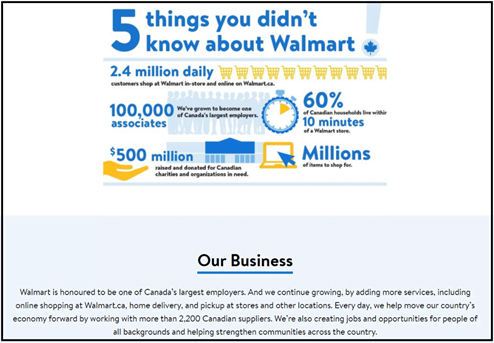
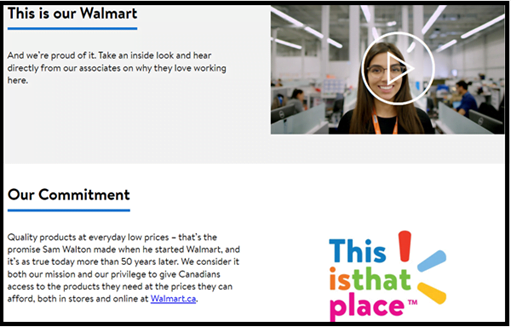
    Example: About Us page of Walmart


    1. Add in clear product descriptions

    If your shoppers understand the item that they are about to buy, then chances are high that they may end up buying it. So…


    • Write short and clear product descriptions that are up to the point.
    • Come up with an honest, catchy, and compelling product description.
    • Don’t exaggerate things when writing the description.
    • Include important things about your product like colour, weight, ingredients, measurements, warranty details, etc.
    • Also mention how the product is going to help the customers.


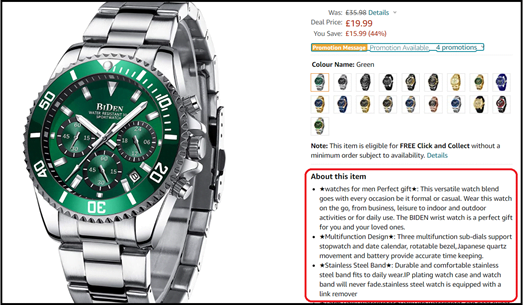
    Example: Product description from Amazon


    1. Be transparent and honest

    When visiting your online store, customers completely have to depend on the information you show there. So, you need to be transparent and honest to win them.


    • Show company details like address, contact number, etc. on the site.
    • Show the faces of your team so that customers can know real people are working behind the eCommerce store.
    • Mention your exchange policy, refund policy, and shipping information on the site.


    1. Social proof

    Social proof helps brands to build connections around different social media platforms. It helps-


    • Brands promote their products and services with ease using the best of creativity.
    • Helps easily connect and communicate with prospects and customers.
    • Helps build brand loyalty.


    1. Testimonials/ video testimonials

    Testimonials confirm your products are genuine. It saves customers from unnecessary confusion when it comes to buying products online.


    • You can add text testimonials about your product on your eCommerce store and make them available on all pages.
    • Add video testimonials on the pages as they influence customers more as compared to text testimonials.


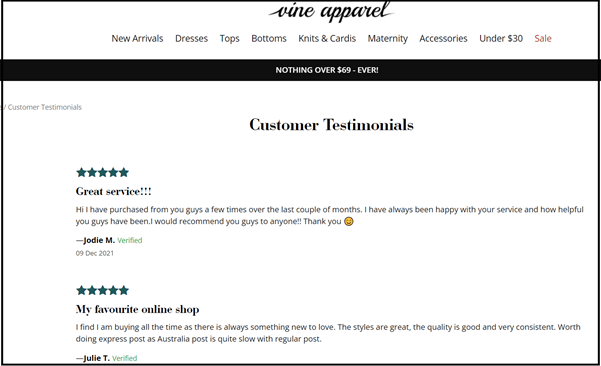
    Example: Text testimonial from Vine Apparel


    1. Reviews/ratings

    Customers rely on what other customers have to say about your products and so mentioning reviews and ratings on your eCommerce store is important.


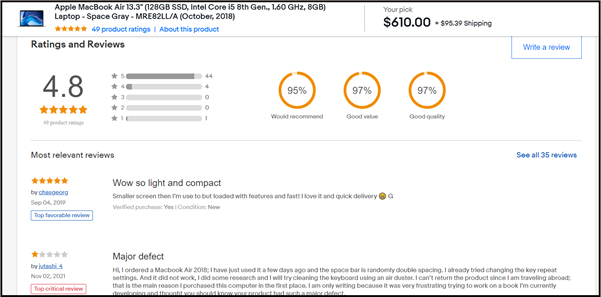
    Example: Reviews and ratings for Apple MacBook at eBay.


    1. Statistics displaying your product adoption

    Try to display the number of customers who bought your product. This will build trust within potential buyers who are at your eCommerce store and checking out the product.


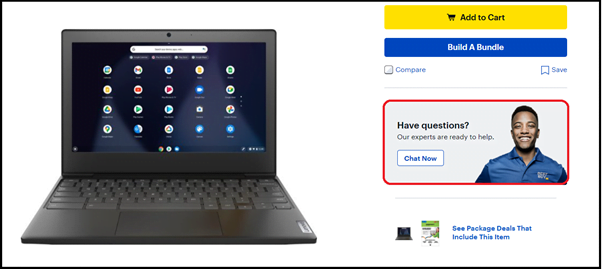
    1. Live chat

    Customers may need detailed information on return policy, shipping, size charts, etc. while browsing. So, add in a live chat option to be always present for your clueless customers.


    Example: Live chat feature at the product page of Best Buy


    1. Collect and implement feedback

    It is critical to know what people think about your brand and your business. Use this opportunity to collect feedback about your eCommerce store.


    • Implement new changes or functionalities in your online store based on the collected feedback
    • You can introduce newer products or remove the ones that are least searched by customers after learning from feedback.


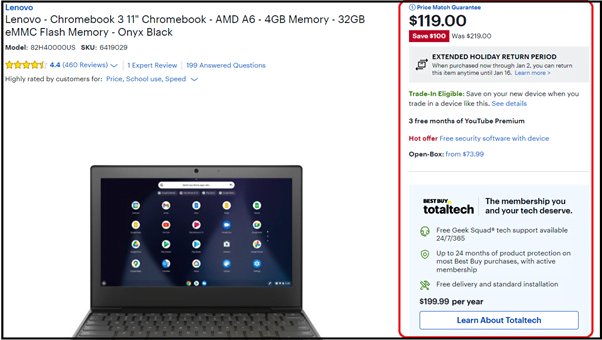
    1. Be clear about returns/warranty

    When shopping online the main concern of shoppers is that they don’t want to end up with products that they could not use or that are not up to their expectations. This means you need to offer them a complete satisfaction guarantee when shopping from you.


    • Highlight the return policy of the products
    • Highlight the warranty policy of the product
    • Mention price guarantee on product page
    • Offer membership for added services


    Example: Returns policy and warranty details at the product page of Best Buy


    For an eCommerce store to be successful it is important that it gains the trust and loyalty of customers. To make that happen, the store needs to focus on a lot many big and small things. With years of experience and gained expertise, Mage Monkeys can help you make that happen through its unmatched Magento development services designed for eCommerce businesses.

    2021-3

    Top Upselling Mistakes Made By eCommerce Businesses And How To Avoid Them

    For eCommerce businesses, upselling has proved to be beneficial in increasing average order value and boosting sales. However, businesses fail to generate more revenue through upselling because of the few mistakes they make.

    Here in this article, we will discuss some of such mistakes and the necessary steps that can be taken to avoid them.

    1. Not having an easy upselling process

    Many of the online stores only have product information in the first fold of the product page. Customers go through them and add the product in the cart. This means you are losing your chances for upselling.

    Solution:
    • You can add some similar products targeting upselling opportunities in the first fold.

    Upselling example at Amazon:


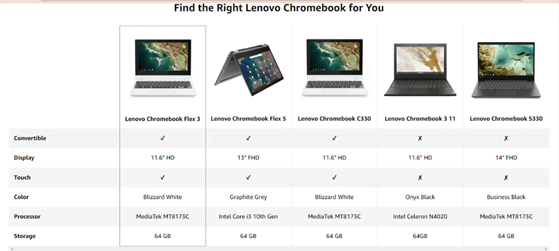
    2. Not showing similar product comparisons

    Product comparisons is one of the upselling opportunities that eCommerce stores fail to use properly.

    Solution:

    • Your business has better chances of engaging customers by offering feature comparisons for similar types of products having higher order value.
    • Customers get to check similar products before adding the current one in the cart and go ahead with it if they find the compared product better.


    Product comparison example at Amazon:


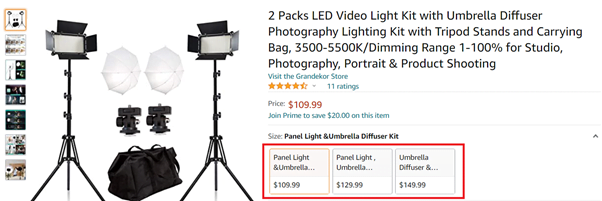
    3. Offering highly priced product alternatives

    Many eCommerce stores offer highly priced alternative product options to customers.

    Solution:

    • You need to be realistic with your upselling strategies.
    • You need to set the maximum margin for upselling alternative products.
    • You need to be sure that it is not 50% more priced than the product they are already looking at.


    Upsell example at Best Buy showing a product with little higher price:


    4. Offering poor quality options

    Some online stores display similar types of products but seldom projects its quality to customers to entice them.

    Solution:

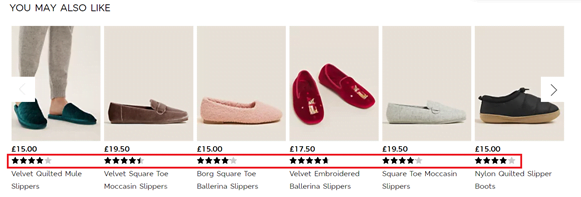
    • Add in ratings to the products or mention “Most Searched Products” to the category, etc.


    Marks & Spencer example where related products are listed with star ratings:


    5. Not showing items related to the product

    Sometimes stores display many products that customers skip, as they fail to relate it with the current product they are viewing.

    Solution:

    • Be clear about your product listing for a successful upselling strategy.
    • Choose items that can be used with the product the customer is looking at or ones that customer can choose to go ahead with instead of the current product.


    Miss Selfridge example with related items:


    6. Not investing in combo deals

    Sometimes investing in a single product is not enough, customers needs to buy items related to it to make the product function better.

    Solution:

    • Offer bundled products instead of offering single products.
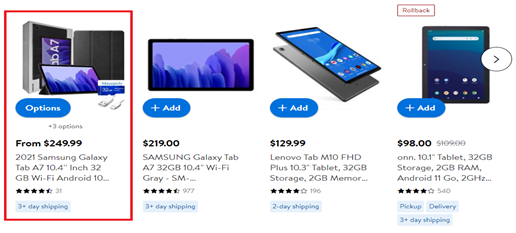
    • Showcase a group of products for a single discounted price which your customers cannot wait to buy!


    Walmart example with combo deal:


    Upsells are one of the best ways for an eCommerce store to enhance ROI. If you are finding it hard to boost sales at your eCommerce store through upselling, then it is time you partner with Mage Monkeys. Here we have the best team of Magento experts who can help you with effective upselling strategies enough to bring in profits for your business.