We sacrifice by not doing any other technology, so that you get the best of Magento.

We sacrifice by not doing any other technology, so that you get the best of Magento.

    Is Magento good for SEO?

    In the fiercely competitive digital landscape, a beautifully designed eCommerce store is only half the battle—visibility is the key to success. With global eCommerce sales projected to reach $7.4 trillion by 2025, ranking high on search engines like Google is critical for attracting organic traffic and driving conversions. This brings us to a pivotal question for store owners: Is Magento good for SEO?

    The short answer is a resounding yes—Magento, now known as Adobe Commerce, is one of the most SEO-friendly eCommerce platforms available. Its built-in optimization features, flexible open-source architecture, and extensive customization capabilities provide a robust foundation for improving search rankings, boosting organic traffic, and increasing sales. However, SEO success with Magento is not automatic; it requires proper configuration, technical expertise, and a strategic approach to unlock its full potential.

    Why SEO Matters in eCommerce

    SEO is the backbone of eCommerce success, providing a cost-effective way to attract high-quality traffic and compete in a crowded digital marketplace. Here’s why SEO is critical for online stores:

    • Increased Visibility: High rankings on Google and other search engines make it easier for potential customers to discover your products.
    • Cost-Effective Traffic: Unlike paid ads, organic traffic offers sustainable, long-term ROI with lower customer acquisition costs.
    • Trust and Credibility: Websites ranking on the first page of search results are perceived as more authoritative and trustworthy by users.
    • Enhanced User Experience: SEO practices like fast page speeds, mobile optimization, and intuitive navigation improve customer satisfaction.
    • Higher Conversions: More visibility leads to more clicks, which translate into increased sales and revenue.

    Magento is designed with these principles in mind, offering a suite of features to help businesses dominate search rankings and drive organic growth.

    Magento Overview: A Platform Built for SEO

    Magento, rebranded as Adobe Commerce, is a leading open-source eCommerce platform known for its flexibility, scalability, and advanced customization. It comes in two editions:

    • Magento Open Source: A free, community-driven version ideal for businesses with development resources to customize and manage their stores.
    • Adobe Commerce: A paid, enterprise-grade solution with advanced features, cloud hosting, and official support from Adobe.

    Trusted by global brands like Coca-Cola, Nike, and Helly Hansen, Magento powers thousands of online stores with complex product catalogs, multi-store setups, and B2B/B2C operations. Its SEO-friendly architecture makes it a top choice for businesses aiming to optimize for search engines and achieve long-term organic growth.

    Magento’s Built-in SEO Features

    Magento is engineered with SEO-readiness at its core, providing a robust set of tools to enhance visibility and rankings. Below are the key features that make Magento stand out as an SEO-friendly platform:

    Customizable URLs

    Magento allows store owners to create clean, keyword-rich URLs that align with SEO best practices. Unlike messy URLs with parameters (e.g., yourstore.com?id=123), Magento enables descriptive URLs like yourstore.com/mens-running-shoes, improving click-through rates and search engine indexing.

    Meta Tags Optimization

    Magento offers full control over meta titles, meta descriptions, and meta keywords for products, categories, and CMS pages. Dynamic meta templates allow bulk optimization, saving time for stores with large catalogs. Optimized meta tags improve relevance for target keywords and boost click-through rates in search results.

    Canonical Tags

    Duplicate content can harm SEO, especially in eCommerce stores with product variations or layered navigation. Magento’s built-in canonical tags inform search engines about the preferred version of a page, preventing penalties for duplicate content and consolidating link equity.

    XML Sitemap Generation

    Magento automatically generates XML sitemaps, making it easier for search engines to crawl and index your store’s pages. Regularly updated sitemaps ensure that new products, categories, and content are quickly discovered by Google.

    Robots.txt Control

    Magento provides full control over the robots.txt file, allowing store owners to specify which pages search engines should crawl or ignore. This helps prevent indexing of low-value pages, such as checkout or admin pages, improving crawl efficiency.

    Mobile-Friendly Design

    With Google’s mobile-first indexing, a responsive design is critical for SEO. Magento’s themes are mobile-responsive by default, ensuring seamless performance across devices and aligning with Google’s ranking criteria.

    Structured Data (Schema Markup)

    Magento supports schema markup for rich snippets, such as product prices, reviews, and availability. Rich snippets enhance search result visibility, increase click-through rates, and provide a competitive edge in SERPs.

    Page Speed Optimization Tools

    Page speed is a key Google ranking factor, and Magento offers built-in support for caching (e.g., Varnish, Redis) and content delivery networks (CDNs). These tools help reduce load times, improving user experience and SEO performance.

    Integration with Analytics

    Magento integrates seamlessly with Google Analytics and Google Tag Manager, enabling store owners to track user behavior, monitor traffic sources, and refine SEO strategies based on data-driven insights.

    These features position Magento as a leader in eCommerce SEO, offering the flexibility and control needed to achieve top search rankings.

    Magento SEO Advantages

    Magento’s SEO capabilities set it apart from other eCommerce platforms, particularly for businesses with complex needs. Here are the key advantages:

    Full Control Over SEO

    Unlike hosted platforms like Shopify or Wix, Magento’s open-source architecture gives developers complete control over every SEO element, from URLs to server-side optimizations. This allows for highly customized strategies tailored to specific business goals.

    Scalability for Large Stores

    Magento is designed to handle large product catalogs and high traffic volumes, making it ideal for enterprises with thousands of SKUs. Its advanced SEO settings can be applied globally or individually, ensuring consistent optimization across complex stores.

    Advanced Extensions and Integrations

    The Magento Marketplace offers powerful SEO extensions, such as Amasty SEO Toolkit, Mageworx SEO Suite, and Yoast SEO for Magento, which automate tasks like metadata generation, redirects, and schema markup. These tools enhance Magento’s built-in capabilities, making optimization easier for non-technical users.

    Multi-Language and Multi-Store Support

    For global eCommerce businesses, Magento’s multi-store and multi-language capabilities enable localized SEO strategies. Store owners can optimize URLs, meta tags, and content for different regions and languages, targeting international markets effectively.

    Open-Source Flexibility

    Magento Open Source allows developers to customize code for advanced SEO needs, such as custom redirects, dynamic sitemaps, or server-side optimizations. This flexibility is unmatched by SaaS platforms, making Magento a favorite for technical SEO experts.

    Headless Commerce Support

    Magento’s API-driven architecture supports headless commerce, allowing businesses to decouple the front-end and back-end for faster, more flexible websites. Headless setups improve page speed and user experience, key factors in modern SEO.

    B2B and B2C SEO Capabilities

    Magento supports both B2B and B2C eCommerce, enabling tailored SEO strategies for corporate buyers (e.g., targeting “wholesale office supplies”) and consumers (e.g., targeting “buy running shoes online”).

    These advantages make Magento a top choice for businesses serious about dominating search engine rankings.

    Challenges of Magento SEO

    While Magento is inherently SEO-friendly, it comes with challenges that require careful management:

    • Technical Complexity: Magento’s advanced SEO settings are not beginner-friendly, often requiring developers or SEO experts to configure properly.
    • Hosting Dependency: SEO performance, particularly page speed, depends on the quality of your hosting provider. Poor hosting can lead to slow load times, harming rankings.
    • Duplicate Content Issues: Layered navigation and product variations can create duplicate content, which requires canonical tags and careful configuration to resolve.
    • Extension Overload: Installing too many extensions can slow down your site or cause conflicts, negatively impacting SEO.
    • Learning Curve: Unlike plug-and-play platforms like Shopify, Magento’s complexity demands technical expertise or professional support for optimal SEO results.

    These challenges are manageable with proper planning, optimization, and expert support, ensuring Magento delivers exceptional SEO performance.

    Best Practices for Magento SEO Success

    To maximize Magento’s SEO potential and achieve first-page rankings, follow these best practices:

    Optimize Product Pages

    Product pages are the backbone of eCommerce SEO. To optimize:

    • Write unique, keyword-rich product descriptions to avoid duplicate content from manufacturers.
    • Include Latent Semantic Indexing (LSI) keywords to enhance relevance (e.g., “athletic footwear” alongside “running shoes”).
    • Add high-quality images with descriptive alt text for accessibility and image search optimization.
    • Use structured data to display rich snippets like prices and reviews in search results.

    Improve Site Speed

    Page speed is a critical Google ranking factor. To optimize Magento for speed:

    • Enable Varnish caching or Redis to reduce server load and improve rendering.
    • Compress images using tools like TinyPNG to minimize file sizes.
    • Implement lazy loading for images and videos to prioritize above-the-fold content.
    • Choose a high-performance hosting provider (e.g., SiteGround, Nexcess) optimized for Magento.
    • Use a Content Delivery Network (CDN) to deliver content faster to global users.

    Optimize for Mobile SEO

    With Google’s mobile-first indexing, mobile optimization is non-negotiable:

    • Use responsive Magento themes to ensure compatibility across devices.
    • Test your site with Google’s Mobile-Friendly Test tool to identify issues.
    • Optimize mobile page speed by minimizing JavaScript and CSS.
    • Leverage Progressive Web Apps (PWAs) via Magento’s PWA Studio for app-like mobile experiences.

    Implement Internal Linking

    A strong internal linking strategy improves site navigation and SEO:

    • Link related products, categories, and blog posts to distribute link equity.
    • Use keyword-rich anchor text to enhance relevance (e.g., “men’s running shoes” instead of “click here”).
    • Create a logical site hierarchy to guide users and search engines through your store.

    Fix Duplicate Content Issues

    Duplicate content can harm SEO rankings. To address:

    • Implement canonical tags to specify preferred URLs for product variations or layered navigation.
    • Configure robots.txt to block low-value pages, such as filter pages or session IDs.
    • Use “noindex” tags for temporary or promotional pages to prevent indexing.

    Leverage Schema Markup

    Structured data enhances search result visibility with rich snippets:

    • Implement schema markup for products, reviews, breadcrumbs, and FAQs using extensions like Mageworx SEO Suite.
    • Test schema implementation with Google’s Rich Results Test tool.
    • Use JSON-LD format for easy integration and compatibility with search engines.

    Build High-Quality Backlinks

    Backlinks from authoritative sites signal trust to search engines:

    • Publish high-quality blog posts, guides, and case studies to attract links.
    • Partner with industry influencers or bloggers for guest posts and collaborations.
    • Submit your site to relevant directories and industry publications.
    • Use tools like Ahrefs or Moz to monitor backlink quality and disavow low-quality links.

    Optimize Category Pages

    Category pages are critical for targeting broad keywords:

    • Write unique, keyword-optimized descriptions for each category.
    • Use layered navigation to improve user experience without creating duplicate content.
    • Include internal links to top products within the category.

    Generate and Submit Sitemaps

    Sitemaps ensure efficient crawling and indexing:

    • Use Magento’s built-in XML sitemap generator for products, categories, and CMS pages.
    • Submit sitemaps to Google Search Console and Bing Webmaster Tools.
    • Update sitemaps regularly to reflect new content and products.

    Monitor Core Web Vitals

    Google’s Core Web Vitals (Largest Contentful Paint, First Input Delay, Cumulative Layout Shift) are key ranking factors:

    • Optimize Largest Contentful Paint (LCP) by reducing server response times and minimizing render-blocking resources.
    • Improve First Input Delay (FID) by optimizing JavaScript execution.
    • Minimize Cumulative Layout Shift (CLS) with stable layouts and fixed image dimensions.
    • Use extensions like Page Speed Pro to address Core Web Vitals issues.

    Leverage Content Marketing

    Content marketing drives organic traffic and supports SEO:

    • Create a blog to target informational keywords (e.g., “how to choose running shoes”).
    • Publish guides, tutorials, and industry insights to attract backlinks.
    • Use internal links from blog posts to product and category pages to boost conversions.

    Integrate Analytics

    Data-driven SEO is essential for success:

    • Set up Google Analytics and Google Tag Manager to track user behavior, traffic sources, and conversions.
    • Monitor key metrics like bounce rate, time on site, and organic traffic growth.
    • Use insights to refine keywords, content, and user experience.

    Use Magento SEO Extensions

    Extensions simplify and enhance SEO efforts:

    • Amasty SEO Toolkit: Automates metadata, redirects, and sitemaps.
    • Mageworx SEO Suite Ultimate: Adds advanced schema markup and layered navigation optimization.
    • Yoast SEO for Magento: Provides user-friendly tools for meta optimization and content analysis.
    • Aheadworks SEO Suite: Streamlines structured data and duplicate content management.

    By implementing these best practices, businesses can unlock Magento’s full SEO potential and achieve top search rankings.

    Magento SEO vs. Other eCommerce Platforms

    To understand Magento’s SEO prowess, let’s compare it with other leading platforms:

    Magento vs. Shopify

    • Magento: Offers unmatched SEO flexibility with customizable URLs, meta tags, and server-side optimizations. Ideal for large stores and advanced SEO strategies.
    • Shopify: Provides user-friendly SEO tools but limits URL customization and advanced technical SEO. Suitable for small to medium stores with basic needs.

    Verdict: Magento is superior for complex SEO campaigns, while Shopify is better for beginners.

    Magento vs. WooCommerce

    • Magento: Excels in eCommerce-specific SEO, such as product schema and layered navigation optimization. Better for large-scale stores.
    • WooCommerce: Leverages WordPress’s robust SEO plugins (e.g., Yoast) and content marketing capabilities. Ideal for content-driven eCommerce.

    Verdict: Magento is better for eCommerce-focused SEO, while WooCommerce excels in content-driven strategies.

    Magento vs. BigCommerce

    • Magento: Offers deeper customization and open-source flexibility for technical SEO.
    • BigCommerce: Provides strong built-in SEO tools, including customizable URLs and schema markup, with less complexity than Magento.

    Verdict: Magento is better for advanced SEO customization, while BigCommerce suits businesses seeking simplicity and scalability.

    Magento vs. Wix

    • Magento: Far superior for eCommerce SEO with advanced features and scalability.
    • Wix: Offers basic SEO tools suitable for small stores but lacks depth for complex needs.

    Verdict: Magento outperforms Wix for serious eCommerce SEO.

    Magento’s flexibility and control make it a leader in eCommerce SEO, particularly for enterprises and businesses with large catalogs.

    Real-World Examples of Magento SEO Success

    Helly Hansen

    Helly Hansen, a global outdoor apparel brand, uses Magento to power its eCommerce operations. By optimizing URLs, implementing schema markup, and leveraging multi-language SEO, Helly Hansen ranks high for branded and product-specific keywords, driving significant organic traffic.

    Sigma Beauty

    Sigma Beauty, a cosmetics retailer, achieved a 35% increase in organic visibility by optimizing its Magento store with unique product descriptions, structured data, and fast page speeds, according to a Mageworx case study.

    Land Rover

    Land Rover uses Magento’s multi-store capabilities to manage localized eCommerce sites. With region-specific keywords, hreflang tags, and optimized content, Land Rover maintains strong search rankings across global markets.

    These examples demonstrate Magento’s ability to deliver SEO success for businesses of varying sizes and industries.

    Overcoming Magento SEO Challenges

    To address Magento’s SEO challenges, consider these strategies:

    • Technical Complexity: Partner with Magento SEO experts or certified developers to configure advanced settings.
    • Hosting Dependency: Choose a high-performance hosting provider optimized for Magento (e.g., Nexcess, SiteGround) to ensure fast load times.
    • Duplicate Content: Use canonical tags, robots.txt, and noindex attributes to manage layered navigation and product variations.
    • Extension Overload: Select only high-quality, compatible extensions and regularly audit their performance.
    • Learning Curve: Invest in training or hire a Magento agency to streamline SEO implementation.

    By proactively addressing these challenges, businesses can maximize Magento’s SEO potential.

    Advanced Magento SEO Strategies

    For businesses aiming to dominate search rankings, consider these advanced strategies:

    • Headless Commerce: Use Magento’s API-driven architecture for headless setups, improving page speed and flexibility for better SEO.
    • Voice Search Optimization: Target conversational keywords (e.g., “best running shoes for men”) to capture voice search traffic, a growing trend in 2025.
    • International SEO: Leverage Magento’s multi-language and multi-store features to target global markets with localized content and hreflang tags.
    • AI-Driven SEO: Use Adobe Commerce’s Adobe Sensei for AI-powered content personalization and product recommendations, enhancing user engagement.
    • Content Clusters: Build topic clusters around core keywords, linking related blog posts and product pages to boost topical authority.

    These strategies position Magento stores to stay ahead of SEO trends and maintain a competitive edge.

    Future Trends in Magento SEO

    As search engines evolve, Magento is well-positioned to adapt to emerging SEO trends:

    • AI and Personalization: Adobe Commerce’s integration with Adobe Sensei enhances AI-driven SEO, such as personalized search results and dynamic content.
    • Core Web Vitals: Magento’s performance optimization tools align with Google’s focus on user experience metrics.
    • Voice and Visual Search: Magento’s flexibility supports optimization for conversational and image-based searches.
    • Mobile-First Indexing: Magento’s responsive themes ensure compliance with Google’s mobile-first approach.
    • Sustainability: Adobe’s eco-friendly cloud infrastructure aligns with search engines’ growing emphasis on sustainable practices.

    Magento’s adaptability ensures it remains a leader in eCommerce SEO for years to come.

    FAQs About Magento SEO

    Is Magento SEO-friendly by default?

    Yes, Magento is built with robust SEO features, including customizable URLs, meta tags, and sitemaps. However, proper configuration is required for optimal results.

    Do I need extensions for Magento SEO?

    Magento’s built-in features are powerful, but extensions like Amasty SEO Toolkit or Mageworx SEO Suite simplify and enhance optimization tasks.

    Can Magento handle large-scale SEO campaigns?

    Absolutely, Magento’s scalability makes it ideal for enterprises with thousands of products and complex SEO needs.

    Is Magento better for SEO than Shopify?

    Yes, Magento offers greater SEO customization and control compared to Shopify’s more limited, app-dependent approach.

    Do I need a Magento SEO expert?

    For medium to large stores, hiring a Magento SEO expert or agency ensures optimal configuration and maximum results.

    How does Magento support international SEO?

    Magento’s multi-store and multi-language capabilities enable localized URLs, meta tags, and hreflang tags for global markets.

    Can Magento improve Core Web Vitals?

    Yes, with proper optimization (e.g., caching, CDNs, and image compression), Magento can meet Google’s Core Web Vitals standards.

    Conclusion: Is Magento Good for SEO?

    The question Is Magento good for SEO? has a clear answer: Yes, Magento is exceptionally SEO-friendly, offering a powerful foundation for achieving top search engine rankings. Its built-in features—customizable URLs, meta tags, canonicalization, structured data, sitemaps, and mobile optimization—provide unmatched flexibility for eCommerce SEO. However, Magento’s true potential is realized through proper configuration, technical expertise, and a strategic approach to optimization.

    Compared to platforms like Shopify, WooCommerce, or BigCommerce, Magento stands out for its scalability, customization, and enterprise-grade capabilities, making it ideal for businesses with large catalogs or complex needs. While challenges like technical complexity and hosting dependency exist, they can be overcome with expert support and best practices.

    For businesses serious about long-term organic growth, Magento is one of the best SEO-friendly eCommerce platforms available in 2025. By implementing the strategies outlined in this guide—optimizing product pages, improving site speed, leveraging schema markup, and building backlinks—you can transform your Magento store into a search engine powerhouse.

    If you’re ready to unlock Magento’s full SEO potential or explore migration to a simpler platform, partnering with a certified Magento agency can ensure success. Start optimizing your Magento store today to drive visibility, traffic, and conversions in the competitive eCommerce landscape.

    Is Magento SEO Friendly?

    In the fiercely competitive world of eCommerce, visibility is the key to success. No matter how exceptional your products or user-friendly your online store, it won’t drive sales if potential customers can’t find it on search engines like Google. Search Engine Optimization (SEO) is the cornerstone of organic traffic, enabling businesses to rank higher for relevant keywords, attract targeted audiences, and reduce reliance on costly paid advertising. Among the many eCommerce platforms available, Magento (now Adobe Commerce) stands out for its power, flexibility, and scalability. But a critical question remains: Is Magento SEO friendly?

    The short answer is a resounding yes—Magento is one of the most SEO-friendly eCommerce platforms available today.

    However, its effectiveness depends on proper configuration, customization, and ongoing optimization. This guide explores Magento’s built-in SEO features, strengths, challenges, and best practices, providing a complete roadmap to optimize your Magento store for search engine success. 

    Why SEO Matters for eCommerce

    Before diving into Magento’s SEO capabilities, it’s essential to understand why SEO is critical for eCommerce success:

    • Organic Traffic Dominates: Studies show that 70–80% of users ignore paid ads and focus on organic search results, making SEO a cost-effective way to attract customers.
    • Lower Acquisition Costs: Unlike paid ads, organic traffic reduces customer acquisition costs, offering long-term ROI.
    • Builds Trust and Authority: Ranking high in organic results signals credibility, as users trust Google’s algorithm over sponsored ads.
    • Competitive Edge: With millions of eCommerce stores online, strong SEO differentiates your brand and captures market share.

    Without effective SEO, even the most well-designed Magento store risks being invisible to potential customers. By optimizing for search engines, businesses can increase visibility, drive traffic, and boost conversions.

    Magento Overview: A Powerhouse for eCommerce

    Magento, rebranded as Adobe Commerce after its 2018 acquisition by Adobe, is a leading open-source eCommerce platform designed for businesses seeking scalability and customization. It comes in two editions:

    • Magento Open Source: A free, community-driven version ideal for businesses with development resources.
    • Adobe Commerce: A paid, enterprise-grade solution with advanced features, cloud hosting, and official support.

    Unlike SaaS platforms like Shopify or Wix, Magento is developer-oriented, offering complete control over design, functionality, and SEO. This flexibility makes it a favorite among enterprises like Coca-Cola, Nike, and Helly Hansen, as well as small to medium businesses (SMBs) looking to scale.

    Is Magento SEO Friendly Out of the Box?

    Magento is inherently SEO-friendly, providing a robust foundation for search engine optimization. However, achieving top rankings requires proper configuration and expertise. Unlike simpler platforms, Magento’s advanced capabilities demand technical knowledge to unlock their full potential. Below are the key built-in SEO features that make Magento a strong choice for eCommerce:

    • Customizable Meta Titles and Descriptions: Magento allows store owners to set unique meta tags for products, categories, and pages, optimizing for specific keywords.
    • SEO-Friendly URLs: Create clean, keyword-rich URLs without complex parameters.
    • XML Sitemap Generation: Automatically generate sitemaps to help search engines crawl and index your store.
    • Canonical Tags: Manage duplicate content issues caused by product variations or layered navigation.
    • Robots.txt Control: Configure indexing rules to prevent search engines from crawling unnecessary pages.
    • Google Analytics and Tag Manager Integration: Track user behavior and optimize based on data-driven insights.

    Compared to platforms like Shopify, which impose restrictions on URL structures and metadata, Magento offers unparalleled control, making it a top choice for SEO-focused eCommerce businesses.

    Magento SEO Strengths

    Magento’s SEO capabilities set it apart from other eCommerce platforms. Below are the key strengths that make Magento SEO-friendly:

    1. SEO-Friendly URLs

    Magento allows store owners to create clean, descriptive URLs that align with SEO best practices. For example:

    • Optimized URL: example.com/mens/shoes/leather-boots
    • Non-Optimized URL: example.com/product?id=12345

    Keyword-rich URLs improve click-through rates (CTR) and help search engines understand page content.

    1. Comprehensive Meta Data Control

    Magento enables unique meta titles, descriptions, and keywords for every product, category, and CMS page. This granular control allows businesses to:

    • Target specific keywords to rank higher in search results.
    • Craft compelling meta descriptions to boost CTR.
    • Optimize for long-tail keywords relevant to niche products.
    1. Structured Data Support

    Magento supports schema markup (rich snippets) through extensions or custom coding, enhancing product visibility in search results. Structured data can display:

    • Product prices and availability.
    • Star ratings and reviews.
    • Breadcrumbs for improved navigation.
    • FAQs for informational queries.

    Rich snippets increase CTR and make your store stand out in search engine results pages (SERPs).

    1. Mobile-Friendly Architecture

    With Google’s mobile-first indexing, a responsive design is critical for SEO. Magento’s themes are fully responsive, ensuring seamless performance across devices. This enhances user experience (UX), a key ranking factor.

    1. Multi-Store and Multi-Language SEO

    Magento’s multi-store and multi-language capabilities make it ideal for global eCommerce. Businesses can:

    • Create region-specific stores with localized content.
    • Optimize URLs and metadata for different languages.
    • Target international keywords to capture global markets.
    1. Advanced Site Search Integration

    Magento supports powerful on-site search through third-party integrations like Algolia or Elasticsearch. Improved site search enhances UX, reduces bounce rates, and indirectly boosts SEO by keeping users engaged.

    1. Performance Optimization Tools

    Magento offers built-in tools for caching (e.g., Varnish, Redis) and content delivery networks (CDNs), which improve page load times—a critical Google ranking factor.

    These strengths position Magento as a leading SEO-friendly eCommerce platform, particularly for businesses with complex needs.

    Magento SEO Challenges

    While Magento is inherently SEO-friendly, it comes with challenges that require attention:

    1. Duplicate Content Issues: Layered navigation and product variations can create duplicate pages, confusing search engines. For example, a product appearing in multiple categories may generate multiple URLs.
    2. Complex Setup: Magento’s SEO settings are not beginner-friendly, often requiring developers or SEO experts to configure properly.
    3. Performance and Speed: Magento can be resource-intensive, leading to slow load times if not optimized, which negatively impacts SEO.
    4. URL Parameters: Layered navigation often generates parameterized URLs (e.g., example.com/shoes?color=blue), which can dilute SEO efforts.

    These challenges are manageable with proper technical SEO strategies and optimization techniques.

    Magento SEO Best Practices

    To maximize Magento’s SEO potential and achieve first-page rankings, follow these best practices:

    1. Optimize URLs
    • Use short, descriptive, and keyword-rich URLs for products and categories.
    • Avoid unnecessary parameters by configuring URL rewrites in Magento’s admin panel.
    • Enable “Use Web Server Rewrites” for clean URLs.
    1. Fix Duplicate Content
    • Implement canonical tags to specify the preferred URL for duplicate pages.
    • Configure robots.txt to block parameter-based URLs (e.g., filter pages).
    • Use “noindex” tags for low-value pages, such as search results or temporary promotions.
    1. Improve Site Speed
    • Enable Varnish cache or Redis for faster page rendering.
    • Use a CDN to deliver content quickly to global users.
    • Optimize product images with compression tools like TinyPNG.
    • Choose a high-performance hosting provider (e.g., SiteGround, Nexcess).
    1. Optimize Product Pages
    • Write unique, keyword-rich product descriptions to avoid duplicate content from manufacturers.
    • Include target keywords in titles, H1 tags, and meta descriptions.
    • Add alt text to product images for accessibility and SEO.
    • Use customer reviews to enhance trust and add fresh content.
    1. Leverage Schema Markup
    • Implement structured data for products, reviews, breadcrumbs, and FAQs.
    • Use extensions like Mageworx SEO Suite Ultimate to automate schema markup.
    • Test structured data with Google’s Rich Results Test tool.
    1. Build an Internal Linking Strategy
    • Link from blog posts to product and category pages to distribute link equity.
    • Use keyword-rich anchor text to improve relevance.
    • Ensure a logical site hierarchy for easy navigation.
    1. Generate XML and HTML Sitemaps
    • Create and submit XML sitemaps to Google Search Console for efficient crawling.
    • Include an HTML sitemap for user navigation and SEO.
    • Regularly update sitemaps to reflect new products and categories.
    1. Optimize for Mobile SEO
    • Use responsive Magento themes to ensure mobile compatibility.
    • Test your store with Google’s Mobile-Friendly Test tool.
    • Optimize mobile page speed to reduce bounce rates.
    1. Improve Core Web Vitals

    Core Web Vitals (Largest Contentful Paint, First Input Delay, Cumulative Layout Shift) are critical Google ranking factors. To optimize:

    • Minimize JavaScript and CSS to reduce LCP.
    • Optimize server response times for better FID.
    • Use stable layouts to prevent CLS issues.
    • Leverage Magento extensions like Page Speed Pro to address Core Web Vitals.
    1. Integrate with Analytics Tools
    • Set up Google Analytics and Google Tag Manager to track user behavior.
    • Monitor key metrics like bounce rate, time on site, and conversion rate.
    • Use insights to refine content and SEO strategies.
    1. Create High-Quality Content
    • Develop a blog to target informational keywords and drive traffic.
    • Use content to address customer pain points and showcase expertise.
    • Optimize blog posts with long-tail keywords and internal links to products.

    By implementing these practices, businesses can unlock Magento’s full SEO potential and achieve top rankings.

    Magento SEO Extensions to Enhance Optimization

    The Magento Marketplace offers a variety of SEO extensions to streamline optimization efforts:

    • Mageworx SEO Suite Ultimate: Automates metadata, canonical tags, and rich snippets for products and categories.
    • Amasty SEO Toolkit: Enhances URL management, redirects, and sitemap generation.
    • Yoast SEO for Magento 2: Provides user-friendly tools for meta optimization and content analysis.
    • Aheadworks SEO Suite: Simplifies structured data implementation and duplicate content management.

    These extensions reduce manual effort and ensure compliance with SEO best practices, making them valuable for businesses without in-house SEO expertise.

    Comparing Magento SEO to Other eCommerce Platforms

    To understand Magento’s SEO prowess, let’s compare it with other popular platforms:

    Magento vs. Shopify SEO

    • Magento: Offers complete control over URLs, metadata, and server-side optimizations, ideal for complex stores. Developers can fine-tune every SEO element.
    • Shopify: Provides good SEO tools but restricts URL structures and advanced technical settings. Merchants rely on apps for additional functionality, which may increase costs.

    Verdict: Magento is more SEO-friendly for businesses needing granular control, while Shopify suits simpler stores.

    Magento vs. WordPress (WooCommerce) SEO

    • Magento: Provides advanced eCommerce-specific SEO features, such as multi-store optimization and structured data for products.
    • WordPress with WooCommerce: Offers beginner-friendly SEO plugins like Yoast, but its eCommerce SEO is less robust for large-scale stores.

    Verdict: WordPress excels for content-driven SEO, but Magento is superior for eCommerce optimization.

    Magento vs. BigCommerce SEO

    • Magento: Offers unmatched flexibility for custom SEO strategies and enterprise scalability.
    • BigCommerce: A SaaS platform with solid SEO tools but limited customization compared to Magento’s open-source model.

    Verdict: Magento outshines BigCommerce for advanced SEO and large-scale stores.

    Magento’s flexibility and technical control make it a leader in eCommerce SEO, particularly for enterprises.

    Real-World Case Studies: Magento SEO Success

    Helly Hansen

    The global outdoor apparel brand Helly Hansen uses Magento to power its eCommerce operations. By optimizing its Magento store with keyword-rich URLs, structured data, and fast-loading pages, Helly Hansen ranks high for branded and product-specific keywords, driving significant organic traffic.

    Sigma Beauty

    Sigma Beauty, a cosmetics retailer, implemented Magento with a focus on SEO. By using schema markup for product reviews and optimizing product pages with unique descriptions, the brand achieved a 35% increase in organic visibility, according to a case study by Mageworx.

    Land Rover

    Land Rover leverages Magento’s multi-store capabilities to manage localized eCommerce sites. With region-specific SEO strategies, including localized keywords and metadata, Land Rover maintains strong search rankings across global markets.

    These examples demonstrate Magento’s ability to deliver SEO success for businesses of varying sizes and industries.

    Advanced Magento SEO Strategies

    For businesses aiming to dominate search rankings, consider these advanced strategies:

    1. Headless Commerce for SEO: Magento’s API-driven headless architecture allows for faster, more flexible front-end development, improving page speed and UX.
    2. Voice Search Optimization: Optimize for conversational keywords (e.g., “best running shoes for men”) to capture voice search traffic, a growing trend in 2025.
    3. International SEO: Use Magento’s multi-language and multi-store features to target global markets with localized content and hreflang tags.
    4. Content Marketing Integration: Combine Magento’s CMS capabilities with a blog to target long-tail keywords and drive traffic to product pages.
    5. AI-Powered SEO: Leverage Adobe Sensei (available in Adobe Commerce) for automated product recommendations and personalized search results, enhancing UX and engagement.

    These strategies position Magento stores to stay ahead of SEO trends and maintain a competitive edge.

    Magento SEO Challenges and How to Overcome Them

    While Magento’s SEO capabilities are robust, addressing its challenges is critical:

    • Duplicate Content: Use canonical tags, robots.txt, and noindex attributes to manage duplicate pages caused by layered navigation or product variations.
    • Complex Setup: Partner with Magento SEO experts or use extensions to simplify configuration.
    • Site Speed: Optimize server performance, enable caching, and use CDNs to improve load times.
    • Parameterized URLs: Configure URL rewrites and block filter-based URLs to prevent indexing issues.

    By proactively addressing these challenges, businesses can ensure Magento delivers optimal SEO performance.

    The Future of Magento SEO

    As search engines evolve, Magento is well-positioned to adapt to emerging trends:

    • AI and Personalization: Adobe Commerce’s integration with Adobe Sensei enhances AI-driven SEO, such as personalized search results and dynamic content.
    • Headless Commerce: Magento’s headless capabilities improve page speed and flexibility, aligning with Google’s focus on Core Web Vitals.
    • Voice and Visual Search: Magento’s flexibility supports optimization for voice and visual search, key trends in 2025.
    • Mobile-First Indexing: Magento’s responsive themes ensure compliance with Google’s mobile-first approach.
    • Sustainability: Adobe’s focus on sustainable cloud infrastructure aligns with search engines’ growing emphasis on eco-friendly practices.

    Magento’s adaptability ensures it remains a leader in eCommerce SEO for years to come.

    FAQs About Magento SEO

    1. Is Magento SEO friendly out of the box?
      Yes, Magento provides robust SEO features, but proper configuration by developers or SEO experts is required for optimal results.
    2. Does Magento support SEO plugins like WordPress?
      Magento offers SEO extensions (e.g., Mageworx SEO Suite, Amasty SEO Toolkit) rather than plugins, designed specifically for eCommerce optimization.
    3. Can Magento handle duplicate content issues?
      Yes, using canonical tags, robots.txt, and noindex attributes, Magento effectively manages duplicate content caused by layered navigation or product variations.
    4. Which is better for SEO: Magento or Shopify?
      Magento offers more control over URLs, metadata, and technical SEO, making it superior for complex eCommerce stores. Shopify is simpler but less flexible.
    5. How can I make my Magento store rank higher on Google?
      Optimize URLs, fix duplicate content, improve site speed, implement schema markup, and build a strong internal linking strategy.
    6. Is Magento suitable for small businesses for SEO?
      Yes, Magento Open Source is cost-effective for small businesses, but SEO success requires technical expertise or professional support.
    7. How does Magento support international SEO?
      Magento’s multi-store and multi-language features allow for localized content, hreflang tags, and region-specific keyword optimization.


    Conclusion: Is Magento SEO Friendly?

    Magento is unequivocally one of the most SEO-friendly eCommerce platforms available in 2025. Its built-in features—customizable URLs, meta data control, structured data support, mobile-friendly architecture, and multi-store capabilities—provide a strong foundation for achieving top search engine rankings. However, Magento’s developer-oriented nature means that unlocking its full SEO potential requires technical expertise or professional support.

    Compared to SaaS platforms like Shopify or BigCommerce, Magento offers unmatched flexibility and control, making it the preferred choice for enterprises and businesses with complex eCommerce needs. By addressing challenges like duplicate content and site speed, and implementing best practices such as schema markup and internal linking, Magento stores can dominate search results and drive significant organic traffic.

    For businesses serious about eCommerce SEO, partnering with Magento SEO experts or a certified Magento development agency is essential. With the right strategies, Magento can transform your online store into a search engine powerhouse, boosting visibility, traffic, and conversions. Start optimizing your Magento store today to secure first-page rankings and achieve long-term eCommerce success.


    Big change coming in Google algorithm from 2021, is your site ready for it?

    Google has already announced OFFICIALLY that page experience signals would be included in Google Search ranking.

    Let’s see what Google has said in its blog word-to-word,

    Today we’re announcing that the page experience signals in ranking will roll out in 2021. The new page experience signals combine Core Web Vitals with our existing search signals including mobile-friendliness, safe-browsing, HTTPS-security, and intrusive interstitial guidelines.”

    That means if your SEO sales may go down if it won’t follow CORE WEB VITALS.
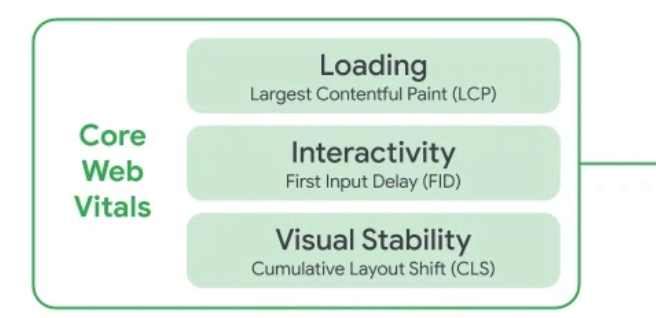
    The question is what are these Core Web Vitals.
    Check out the image below to understand them.

    Improving the above factors won’t only help you to lead your SEO games, but it will also help you to get better ROI on other marketing campaigns.

    How can you bypass the situation?

    Google Search’s mission is to help users find the most relevant and quality sites on the web.

    All you need to do is to hire a certified tech expert who can integrate your site with Google’s official tools and make your site follow Google’s technical guidelines.

    What benefit will you achieve by delivering the best page experience to your users?
    – You will see your keywords going upwards in SEO. (This means business)
    – Sharing from your site will increase.
    – You will be a step ahead of your competitors.
    – Your site’s performance will increase.
    – Needless to say, sales will increase.

    Other technical outcomes will be such as below:
    – Your site will run faster as per the Google page speed checker.
    – Your site will become user-friendly.
    – Your site will become more secure
    – Your site will become mobile-friendly.
    – Your site will deliver a safe browsing experience.

    Having a live site isn’t enough for business. Sites are like plants. You need to keep watering them so they can give you fruits called sales for the rest of your life.

    Undiscovered benefits of SMS (Text) Marketing for eCommerce

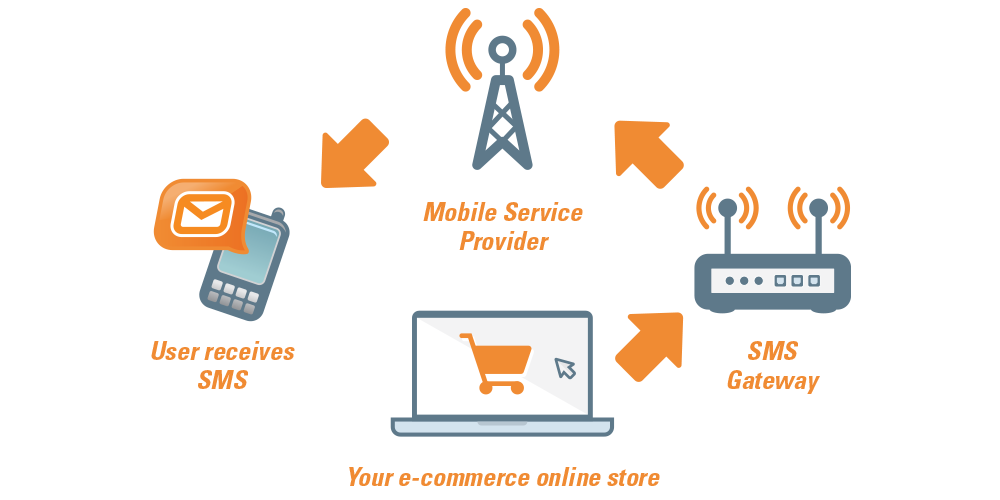
    SMS marketing for eCommerce is an effective way to attract, engage, and retain customers. The study found that text messages have 98% open rates and 90% are read within 3 minutes. This means mobile advertisements will work if your text messages make it to the consumer’s inbox with the right content at the right time.

    But, most eCommerce businesses are not completely aware of the full benefits of SMS marketing. So, in today’s article, we are covering everything you need to know about SMS marketing for eCommerce.

    Why SMS Marketing?

    There are several marketing solutions available, but why is SMS marketing ideal for eCommerce stores?

    • It’s trackable. You can easily track who opened your message, what links they clicked, and who ignored the message.
    • Customized SMS marketing campaigns can build a strong relationship with customers.
    • SMS is not dependent on any device or mobile data or WiFi. Your marketing messages can be easily viewed by all your customers.
    • As per the recent survey, nearly 70% of customers feel SMS is an attention grabber. It is opened more frequently than the average Email.
    • It’s very much simple & easy. You don’t need to be a master in any tools or language to use it. You don’t need to employ extra staff to do so.

    Text messaging is the ideal communication medium for consumers between 18-44 years old.

    Advantages of SMS Marketing

    Cost-effective

    SMS marketing is affordable for businesses of all shapes and sizes. Just spending a few pence per message can get you to your targeted audience. It is cheaper than printed adverts or digital marketing solutions. It’s not only cost-effective but also offers good ROI.

    Reduce Cart Abandonment Rates:

    Text messages could be an effective tool for your business to address shopping cart abandonment rates. It completes the sales cycle when a user has left from the payment page and you text them a link to the payment page. You can send uniquely-generated coupon codes, friendly reminders, and follow-ups. With SMS marketing, you have the power to reach your customers exactly when it matters most.

    High Engagement Rate:

    SMS marketing is a great opportunity for customer engagement. With over 90% of messages read within 3 minutes of being received that is much better than the 3-7% open rates of the email, you could see results immediately. You only have to decide what your message is and start a campaign. You will see hundreds of clicks in an hour.

    Improve Customer Service

    Text messages are received instantly and read almost immediately. You can start SMS campaigns for offers and discounts.

    Fast Delivery: 

    You can send your SMS to millions of customers in a single click. This will help you effortlessly publicize your business venture or new product announcement. With other marketing activities, this kind of advertising requires little prep time, but not with sms marketing.

    There is no need to have a designer or people to contact. You just have to come up with your messages and simply press the send button and you can be certain that your customers will receive your message straight away.

    Benefits of Personalized SMS marketing

    Sending a personalized text message is one of the recent eCommerce marketing trends. According to smarterhq.com, 80% of customers choose to buy products from a brand that offers a personalized experience. Addressing customers by name can help you quickly win them over and boost engagement.

    Make your customers feel special by sending a personalized message.

    Key Benefits of Personalized SMS marketing

    • Create Trust: Personalized messages will give a feeling of human, non-computer communication. It overcomes the virtual barrier with customers and extends the trust needed to close a transaction.
    • Adds more value: Personalized SMS provides subscribers with the relevant information and it is one of the important aspects of a successful SMS campaign.
    • Significant results:  Customized SMS has an open rate of 98% which means it increases customer engagement & loyalty.

    Types of SMS Marketing

    SMS marketing can be anything from informing your customer about an upcoming sale or just advertising your business. Some of the most common types of SMS marketing are:

    1. Promotional deals
    2. SMS coupons
    3. Text-to-win competitions
    4. Flash sales
    5. Site entry pop-up
    6. Offline Ideas
    7. Loyalty programs
    8. Alerts & notifications

    How to Grow your SMS List?

    You need to use the right strategies to grow your SMS list. A sizable list can give you numerous benefits to your text marketing.

    Here are three proven tips you can put into practice today to increase your signups.

    Website: 

    Your website home page should have sign ups to your text messages. Prompt your users to enter their contact number tell them the benefits of joining your SMS marketing campaign. Add popup software to display your web form or text to join the keyword. Some of the incentives that you can offer in your popup are

    • Enter Our Text to Win Contest
    • Download A Guide
    • Experience a Live Demo via SMS
    • Get a Coupon

    Email Marketing

    You can always use Email to grow your SMS list and make the most of both campaigns. While sending a monthly newsletter, make sure to include information about your text program. People love exclusive discounts and promotions and offering them such discounts and will urge them to take action. People who have already trusted you with their emails will opt for your SMS mobile marketing campaign. This is to boost conversions.

    Social Media 

    Today, almost everybody is on Facebook, Twitter, LinkedIn, and Instagram. You already have a base of followers interested in your product or service. That means you can surely interact with the people who would want to hear from you. Create innovative and engaging content for your social media channels and also ensure auto-reply asking them to complete their subscription with a double opt-in SMS.

    Take Away

    As you have seen, SMS marketing campaigns can help connect directly to your customers. It is scalable, easy and can have a powerful impact. Remember to keep your SMS authentic, practical, and appealing. Texting is the perfect medium for the next generation of direct-to-consumer text marketing.

    Now, it’s time for you to launch your SMS campaign and grow your contact list.

    Why Use Whatsapp As Chat Support Tool For Your Magento Site

    What if your visitors can instantly contact you for any query, inquiry, or support? Immediate replies enhance brand value and boost conversions and customer retention.

    While making specific purchases or ordering a product online, customers tend to have plenty of questions and they want an immediate response to their queries. They don’t like spending more time talking to customer support raising a request for assistance.

    To increase sales and boost the customer experience, Magento store owners can provide instant support with the help of social media tools.  WhatsApp can be used as their main contact method, as it offers easy access from the website which can help to convert visitors into customers.

    How does this work?

    When a potential buyer is visiting your site and looking for something particular and has doubt about it then he may want to clear his doubts by asking you or maybe wanting after-sale support. So, to reply to such a request becomes very important for the business. The conversion depends on how fast you reply to their query.

    You get a chance to impress your potential buyer with the WhatsApp button by showing your products and convince them to convert while having a chat.

    The example – How it will look?

    The familiar little green icon that we all know and love!

    When a visitor clicks on the icon, it will automatically launch WhatsApp and open a new conversation with the visitor and if you click on the button from a desktop browser, it will open a new browser tab and direct the visitor to the browser-based version of WhatsApp.

    WhatsApp Business offers live chat in a way people are familiar with and the benefits to businesses are:

    • Customers don’t need to download an additional app so are ready to start chatting.
    • Businesses can use the services of an authorized WhatsApp Business Solution Provider for faster communication.
    • Rich text messages and content like video, images, and even PDFs improve the level of customer support on offer.
    • Continue the conversation even if visitors leave your website.
    • Pick from the wide collection of bubble icons.
    • View customers’ profiles, get closer to and engage with them to increase sales.
    • Support customers anywhere, anytime, even on your mobile phone.
    • Floating bubble, embed bubble, and embed chat window can be used for chat layout.
    • Live chat is convenient for those, who want to wait for someone to respond to an email.
    • One-on-one engagement can increase sales, especially when a customer has a question that could make or break the sale.
    • A chat bubble can have a personal text. The personal touch goes a long way to building relationships with your clients.
    • It gives you an edge over your competitors who aren’t using it.
    • Live chat can help you understand your customer needs. Over time you’ll discover trends that can help you develop a better product or service.
    • Build customer loyalty with WhatsApp live chat.

    Take Away

    The user likes the chat panel. It makes communication better and faster and now that it can be connected to WhatsApp, we can ease all the pains that used to plague WhatsApp support. It is one of the most easily accessible apps that ensures customer direct helpline to the brand and streamlines the entire service experience. It has more than 1.2 billion monthly active users across the world. Magento owners should choose this platform for faster communication as customers can directly contact them.

    The success of every business depends on generating leads, and the WhatsApp chat button can increase your overall sales and reach your goal.

    Best Magento SEO Practices To Get You Higher On Google Search Results

    Every Magento store owner wishes to appear higher on the search results list. But, how one can achieve that?

    It is quite an easy task that involves a number of steps. The first step is to optimize the site itself to be picked up by search results. You need to have knowledge of how to harness SEO which is easy to master with the basics.

    Before getting into detail, first, let’s understand the term SEO?

    Search Engine Optimization (SEO) directly refers to any attempts to enhance the standing of a site or other form of online presence in search engine rankings. Here keywords play an important role because Google and other search engines rank sites in the results based on how relevant it finds them to initiate the search. SEO makes the site content optimized in order to increase its ranking in search engines.

    Here we have listed some of the highly effective and simple SEO practices that will enable you to optimize your site for top search engines.

    Let’s get started.

    URL

    Always create URLs that do not have any codes attached to them as no codes URLs are much friendlier to SEO. You can also clean already existing codes by eliminating the codes which are attached to the URL. Further to this, while still on the settings menu for SEO, try to find the server URL rewrites and set it to yes. This will remove the index.php from the end of any URL, making them even more SEO-friendly.

    Content is King

    Content is the most important aspect when it comes to SEO. For an optimized online shop, you need to have a product description that is fully informative and does not harm the look of the site. Meta-data is as important as any other kind of SEO so remember to fully fill in.

    Product Images Optimization

    Along with content, you need to optimize pictures and videos are better SEO. These parts of a site are often overlooked but are just as important for search rankings. File names are part of SEO, and so they should be named with care and attention towards the future.

    Titles and Descriptions

    Keeping titles deliberately empty will work best when you do the customization as it will become exactly what has been input before and it will not rely on the parent category. Overall, this will make the individual titles more visible to SEO. The same goes for description, default values in store view allow page title and description to be overwritten which makes the content and description more SEO friendly.

    Keyword Usage

    If Magento site users make use of their own specific keywords then the platform itself inserts their own keywords and these keywords are not optimized for SEO usage. You can edit the keywords via the setting page. Go To configuration -> design -> HTML. Here you can edit the descriptive keywords to better fit with the SEO needs of the site. Make it a point that you always use a proper keyword to name your product.

    Getting Rid Of Duplicate Content

    Duplicate content will harm your website ranking as it will confuse the SEO making it left out of search results entirely. For better optimization, you have to go over all the content on the site multiple times just to ensure that there is no duplicate content or as little as possible. Having the same content means that your website is not SEO optimized.

    Extensions

    Extensions come to the rescue when the Magento site needs some extra features. It is also useful in SEO optimization. Below three are in particular very useful to site owners:

    Internal SEO Linking –To improve search engine rankings, this extension offers free SEO services.

    SEO Pagination –It helps in increasing SEO for each category by bringing search robots to look at pagination issues logically.

    SEO Pack by GPMD –.This extension assigns custom robots to each task by improving on-page SEO.

    Tag Structure

    Tag structures are basically the way in which people navigate the site as tags are part of all content and description. A simple rule, use H1 tags for catalog names in the site and H3 tags for some particular product names. Tags allow the SEO robots, who run searches to understand the importance of what is being tagged.

    Robot.txt

    Robot.txt is a small text file that is used to find information by search engines and it is active on all websites. The default Magento template does not consist of such file but if a user wants to take advantage of the SEO optimization can create your own file.

    Conclusion

    It is very important to be on the first page on search engines as it increases the chances of being seen. Our mentioned tips on moving up your search engine ranking will provide you with some of the ideas surrounding keywords and content optimization.

    Don’t expect overnight results. It will take some time for search engines to show all your hard work has paid off. Just keep optimizing your Magento site and a better result will come.

    7 Tips For Optimizing Seo On Your Magento E-Commerce Site.

    Magento was launched in 2008 and since then it has greatly developed from niche eCommerce platform into a trendy content management system. It has more than 2, 00,000 online stores and it’s a brilliant choice for your eCommerce project. Magento is easy to customize and set up the finest SEO.

    1. Metadata

    For easy interpretation of your content, Metadata is valuable in search engine optimization. Make sure that you have a unique Meta description with no copied content. A nicely written Meta description can help your store acquire better visibility in the search engines by addressing search engines about what exactly the content is all about.

    Try to keep description limited to shorter than 160 characters. It will boost users to select your post and also enhance your SEO. Google even utilizes Meta description to comprehend your content. Remember the Rule of SEO that “Content is King”. Go by this saying and create your website content in the best way possible.

    2. Change your Robot.txt File:

    Robot.txt file comes as a default in your Magento website. Hence, this file bars the search engines from indexing the site. The default setting is “NOINDEX, NOFOLLOW”, because of which your site cannot appear in search results. To change this setting you have to go in System -> Configuration -> Design ->Default Robots -> change it to “INDEX, FOLLOW”.

    After all, if search engines cannot edge your website, then all your work in the world is not going to make any difference.

    3. Optimize Images:

    Often we take images as an overlooked element in SEO. As an eCommerce site, it is obvious that it will have many product images so this section will have more effect on a store than on other kinds of websites. Always save meaningful file names for your images. Along with that use titles and alt tags on your images wherever possible as Google utilizes it to spot what your post is related to.

    Speed is the important factor for ranking so you need to optimize the images that you are to be uploaded to your website. Avoid big size images as it will make your site load slowly. Your image should be less than 100kb.

    4. Manage your Permalinks and Internal Link:

    Add your keywords to the URL as it conveys the search engine as well as visitors what the web article informs. Keep in mind to keep the URL precise, clear and short.

    Internal link helps visitors to switch from one page to another web page on your website. It is important as a visitor spends more time on it. It also helps in reducing the bounce rate of your website. Lastly, anchor text along with internal link assists Google to value your content.

    5.Unique Content:

    Google mainly look into the quality of your website and for that, it focuses whether your site is crafting the best experience and helping users to find out what they are searching for. Therefore, check your Website a few times. Make sure that you do not have any duplicate content. It includes all CMS pages, Product pages.

    Your content should have approximately 500 words or maybe more along with niche words included. Make it creative, helpful and relevant information that should hold the attention of the readers. Valuable and unique content will make your page be the first choice and it will increase its ranking.

    6. Analyse Your SEO:

    It is essential to keep a track of your SEO and you can do that by regularly analyzing the effectiveness of your SEO campaigns for that you can use tools such as Google Analytics and Google Analytic Enhanced eCommerce. They allow you to stay updated with a detailed report about your SEO Campaigns.

    7.Add a Blog:

    To create higher traffic, go for a blog post as it will make your site interesting Readers will have something fresh to read every time they visit your site. Thus, you need to update unique contents to aware Google regarding your site developments and it also gains worthy Magento SEO improvements.

    Bottom Line:

    Using the above tips will definitely help in boosting your SEO. It is advisable to have an SEO expert by your side because there is a lot more in SEO which an experienced expert can only get you.